If you've ever made jerk chicken and thought "this doesn't taste like what I had in Jamaica," you're not imagining things. And it's not your cooking. It's what's inside the jar.
Most jerk seasonings on grocery store shelves are built around a dirty little secret — one that food scientists, professional chefs, and anyone who works with spice at a serious level will confirm without hesitation. The book is closed on this one.
The culprit is stale, bitter allspice — and the sugar they use to hide it.
Allspice Is the Star. Full Stop.
Authentic Jamaican jerk seasoning has two non-negotiable anchors: Scotch Bonnet pepper and allspice — also called pimento in Jamaica. Everything else is supporting cast.
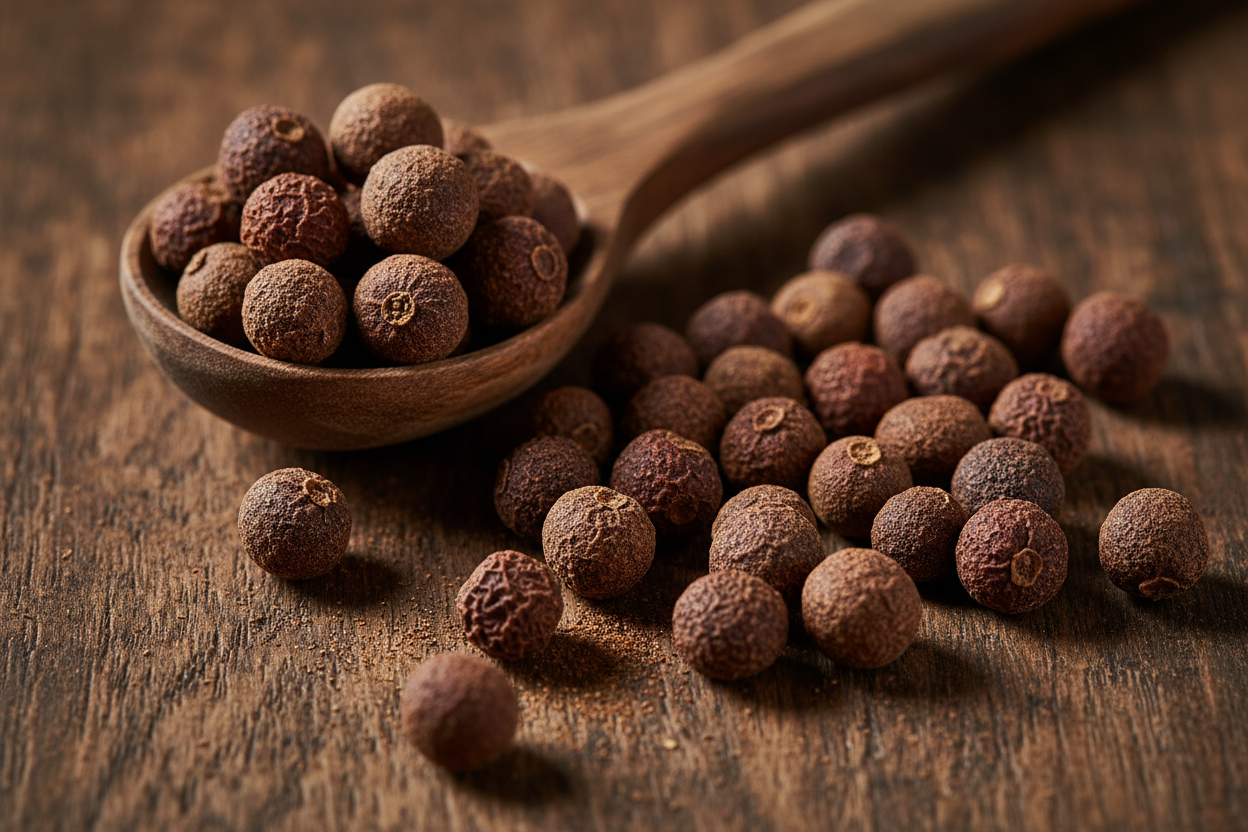
Allspice is not a blend of spices, despite what the name implies. It's a single dried berry from the Pimenta dioica tree, native to the Caribbean. It delivers a warm, complex flavor — hints of clove, cinnamon, and nutmeg all at once — that is absolutely irreplaceable in real jerk seasoning. That aromatic depth is what gives jerk its soul. That island warmth that hits before the heat does. That's allspice doing its job.
Here's the problem: allspice goes stale. And when it goes stale, it turns bitter.
Pre-ground allspice sitting in a warehouse, then a distribution center, then a store shelf, then your spice cabinet — by the time it hits your food it can be 18 months old. Those essential oils that carry the flavor and aroma have broken down. What's left is flat, bitter, and one-dimensional.
The Cover-Up: Sugar
So what do most jerk seasoning brands do about their stale, bitter allspice? They dump in sugar.
And it works — sort of. Sugar masks bitterness. It rounds off the harsh edges, adds a quick hit of sweetness, and makes the product taste acceptable straight out of the jar. But acceptable isn't authentic. Sugar on your jerk chicken means you're caramelizing instead of getting that dark, aromatic crust. It means the heat hits differently. It means the complexity you're chasing — that layered, building warmth — is gone, replaced by a sweetness that has nothing to do with Jamaica.
The sugar isn't there for flavor. It's there to fix a problem that shouldn't exist in the first place.
If your jerk seasoning has sugar in the ingredients, ask yourself: what are they covering up?
Fresh-Ground Changes Everything
Fresh-ground allspice is a genuinely different beast.
Grind it fresh and the oils are still intact. The aroma blooms immediately — you'll smell it the second it hits a hot surface. The flavor is warm, complex, and layered in a way that pre-ground simply cannot replicate. This isn't opinion. Food scientists, chefs, and spice professionals all agree: freshly ground whole spices outperform their pre-ground equivalents in aroma, flavor depth, and overall impact. Every time.
This is why serious cooks grind their own spices. It's why high-end restaurants don't use pre-ground. And it's why we built What a Jerk around fresh-ground pimento rather than warehouse allspice.
Scotch Bonnet — Not a Substitute
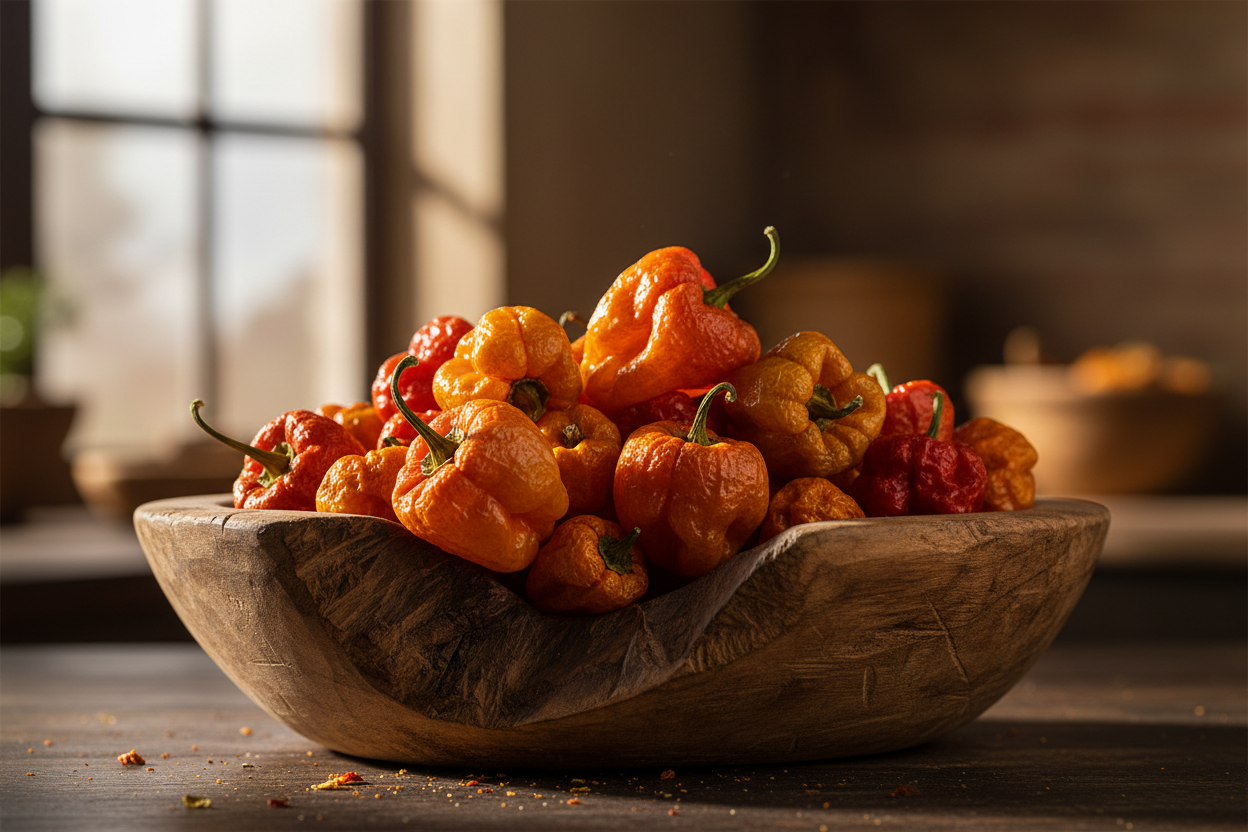
The second non-negotiable is the pepper. Authentic jerk uses Scotch Bonnet — a fruity, floral, genuinely Caribbean heat that is not the same as habanero, cayenne, or generic chili powder. The heat from a Scotch Bonnet builds differently. It comes with flavor, not just fire. It complements the allspice rather than competing with it.
When brands substitute cheaper peppers and cover the flatness with sugar, they're not making jerk seasoning. They're making a seasoning that vaguely resembles jerk if you've never had the real thing.
What Authentic Jerk Seasoning Actually Looks Like
No sugar. No fillers. No anti-caking agents. No warehouse dust.
Real jerk seasoning is built on fresh-ground allspice, real Scotch Bonnet heat, and supporting spices — thyme, ginger, garlic, cinnamon, coriander — that each carry their weight. The ingredient list should read like a spice rack, not a chemistry lab.
And it should have a date on it. Freshness isn't a marketing concept — it's the whole point. If your jerk seasoning doesn't have a born-on date, it's already history.
The Test
Next time you pick up a jerk seasoning, flip it over. If you see sugar in the first five ingredients, you know what they were hiding. If there's no date on the package, it's a gamble on how long it's been sitting. And if the ingredient list includes words you can't pronounce, put it back.
Real jerk seasoning doesn't need any of that. It just needs fresh, honest ingredients handled the right way.
That's the only standard worth cooking by.
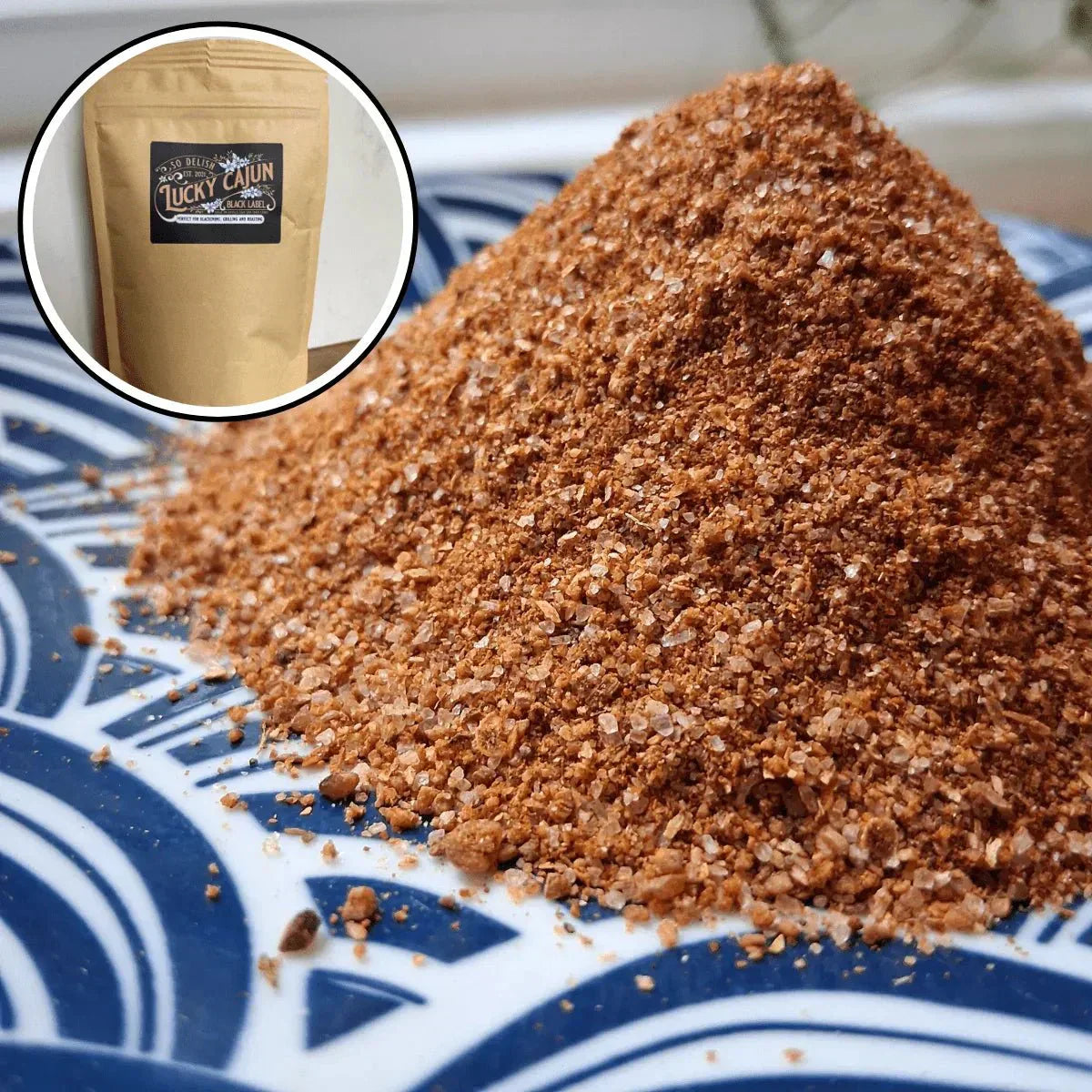
What a Jerk? is Lucky Cajun's small-batch Jamaican jerk seasoning — handcrafted in Tennessee with real Scotch Bonnet and fresh-ground allspice. Sugar-free, filler-free, and stamped with a Born On Date. Shop What a Jerk?