The name isn't marketing. It's what happens at the table.
Someone tries it once. Walks away. Comes back. Tries it again. Comes back again. By the end of the night the bowl is empty and nobody's admitting how many times they went back for more.
That's Sneaky Sauce.
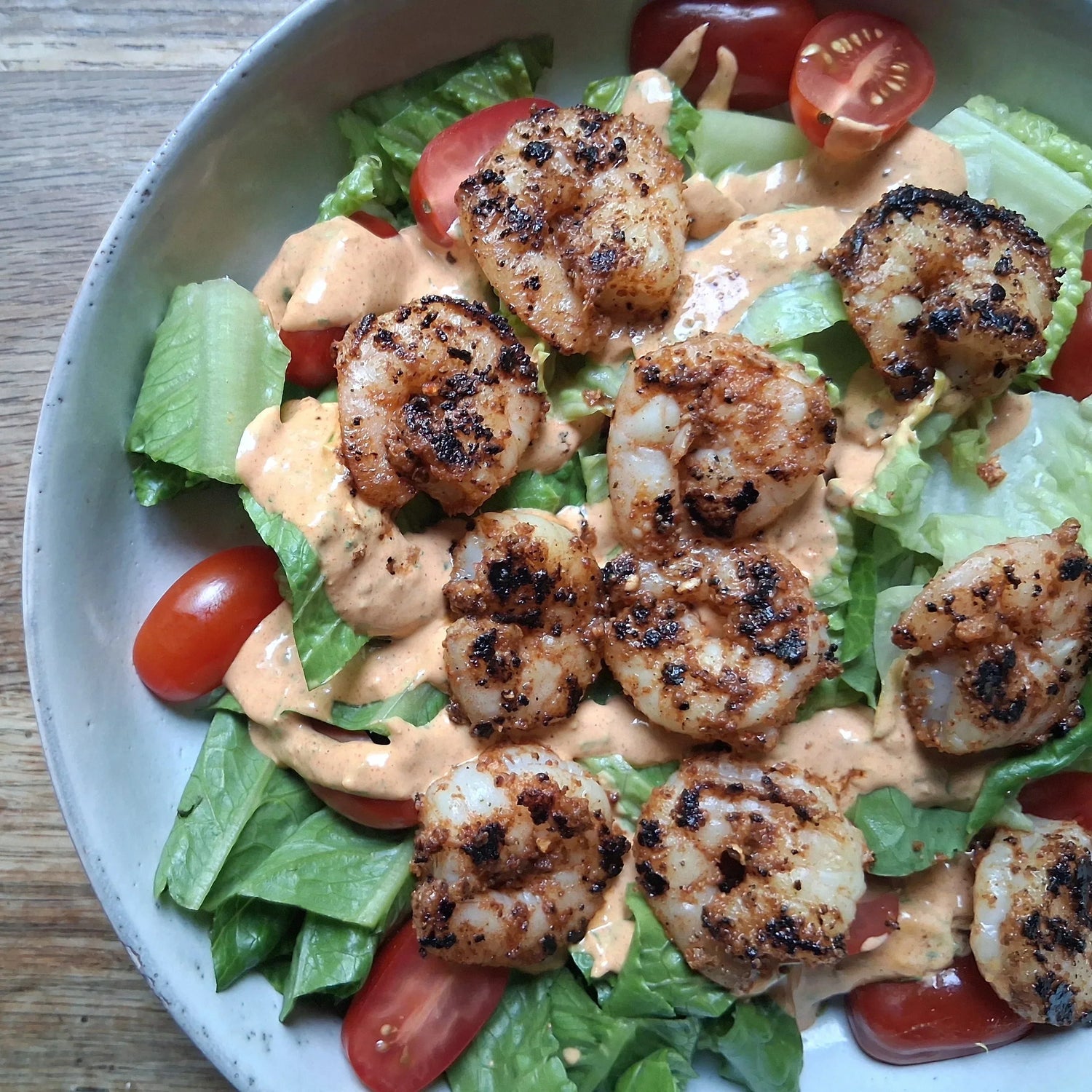
Cajun remoulade built on the classic Louisiana tradition — creamy, bold, deeply seasoned, and flexible enough to work on almost anything. Inspired by a classic crab cake preparation and built to stand up to seafood, sandwiches, fries, and everything else that needs a serious sauce.
Seasoning freshness is the most overlooked part of a cooking. Most of what's in your cabinet was ground over a year ago — the flavor's already gone, and nothing on the jar tells you when it was made. Every Lucky Cajun bag is stamped with the date it was ground. Nobody else in the US does that. [Browse our fresh ground seasoning collections →] Satisfaction guaranteed.
The History Behind It
Remoulade traces its origins to French cuisine where it began as a tart mayonnaise-based dressing served with cold dishes and salads. Louisiana took that foundation and did what Louisiana always does — layered in spice, boldness, and attitude.
The French version is light and herb-forward. The Louisiana version is a completely different sauce. Creamy, sharp, and deeply seasoned with smoked paprika, mustard, capers, and Cajun spice. Built to stand up to fried seafood and anything else bold enough to need it.
This version leans fully into that Louisiana tradition.
Ingredients
- 1½ cups mayonnaise
- 3 tablespoons ketchup
- 1½ tablespoons Dijon mustard
- 1 large garlic clove, minced
- 1 tablespoon capers
- 3 tablespoons relish or pickles
- 1 tablespoon hot sauce
- 1 tablespoon Worcestershire sauce
- Zest and juice of 1 lemon
- ¼ cup Italian parsley
- 3 tablespoons smoked paprika
- ½ tablespoon fresh ground Lucky Cajun Black Label seasoning
Method
Combine all ingredients in a blender and blend until smooth.
That's it. The blender does the work. Everything emulsifies into a creamy cohesive sauce in under a minute.
Taste and adjust — more hot sauce for heat, more lemon for brightness, more mustard for sharpness.
Refrigerate for at least 30 minutes before serving. Overnight is better. The flavors meld and the sauce goes from good to the thing people sneak back for.
Why This Works
Smoked paprika at 3 tablespoons is the backbone of the color and the smoky depth that makes this sauce look and taste like something serious. Don't reduce it — the paprika is doing real work here.
Capers and sweet relish together add a brine and sweetness that produces complexity without any single ingredient announcing itself. The balance between them is what makes people ask what's in it.
Dijon and Worcestershire add sharpness and umami. The lemon zest and juice add brightness that cuts through the richness of the mayo base.
Lucky Cajun seasoning — any blend — adds fresh ground Cajun depth that carries through every spoonful. Black Label for savory depth. Voodoo for habanero heat. What A Jerk for a Caribbean direction that pairs especially well with fried fish and sandwiches.
Where to Use It
Sneaky Sauce has range:
- Crab cakes — the original application it was built around
- Shrimp cocktail in place of or alongside cocktail sauce
- Fried seafood of any kind
- Fish sandwiches as a spread
- Po'boys
- Fries — significantly better than ketchup
- Grilled chicken sandwiches
- Burgers
- Veggie dipping sauce
This is an all-purpose sauce with serious range. Once it's in the refrigerator it gets used on everything.
The Sneaky Slaw Connection
Sneaky Sauce is the base of the Sneaky Slaw from the No-BS Seafood Cookbook — shredded cabbage, onion, bell peppers, and celery dressed in remoulade and served alongside fried fish or on seafood sandwiches.
The sauce that started as a crab cake condiment became the dressing for one of the best slaws in the cookbook. That's the range worth having in the refrigerator.
Variations With Other Lucky Cajun Blends
Black Label version: The most versatile — bold, savory, and Cajun without the Caribbean heat.
Voodoo version: Add fresh ground Lucky Cajun Voodoo for habanero heat that builds through the creamy base. The version for people who want the sauce to sneak up on them in a different way.
Fiery Datil version: Fresh ground Lucky Cajun Fiery Datil adds fruity citrusy heat that pairs especially well with crab cakes and shrimp.
FAQ
What is remoulade sauce?
A mayonnaise-based sauce with French origins adapted by Louisiana into something bolder, spicier, and more complex. The Louisiana version adds mustard, hot sauce, smoked paprika, capers, and Cajun seasoning — producing a sauce built to stand up to fried seafood and anything else that needs serious flavor.
What is the difference between remoulade and tartar sauce?
Both are mayonnaise based. Tartar sauce is herb-forward and bright — built around fresh herbs, capers, and pickles. Remoulade is bolder and more complex — built around mustard, smoked paprika, hot sauce, and Cajun spice. Tartar sauce is lighter. Remoulade has significantly more punch.
Why blend remoulade instead of mixing by hand?
Blending emulsifies all the ingredients into a smooth cohesive sauce where every element is evenly distributed. Mixing by hand produces a chunkier more rustic result. Both work — blending produces the cleaner more restaurant-style sauce.
What is the best Cajun seasoning for remoulade?
Any Lucky Cajun blend works. Black Label for savory depth. Voodoo for habanero heat. What A Jerk for a Caribbean direction. Fiery Datil for fruity citrus heat. The smoked paprika in the base does most of the spice work — the Cajun seasoning adds fresh ground depth underneath it.
Can I make Sneaky Sauce ahead of time?
Yes — and you should. Make it at least 30 minutes before serving. Overnight is significantly better. The flavors meld during the rest and the sauce goes from good to the thing people sneak back for.
How long does remoulade keep in the refrigerator?
Up to 10 days in an airtight container. It actually improves over the first few days as everything continues to meld together.
What is Sneaky Slaw?
A remoulade-dressed coleslaw from the No-BS Seafood Cookbook built on shredded cabbage, onion, bell peppers, and celery dressed in Sneaky Sauce. Served alongside fried fish or on seafood sandwiches. The sauce that started as a crab cake condiment became one of the best slaws in the cookbook.
Is remoulade the same as Thousand Island dressing?
No. They share a mayo base and some similar ingredients but Thousand Island is sweeter and simpler. Remoulade is bolder, spicier, and built specifically for seafood and fried food rather than salads.
What makes Sneaky Sauce sneaky?
People try it once and keep coming back. The combination of smoked paprika, capers, relish, mustard, and fresh ground Cajun seasoning produces a flavor that's complex enough to keep people guessing and bold enough to keep them reaching for more.
Can I use Sneaky Sauce as a salad dressing?
Yes — thin it slightly with a splash of red wine vinegar or lemon juice and use it as a bold salad dressing. Works especially well on seafood salads and anything with grilled protein.
Why Lucky Cajun
Fresh ground Cajun seasoning in a cold mayo-based sauce needs time to bloom. Make Sneaky Sauce at least 30 minutes before serving and ideally overnight. The volatile oils in fresh ground Lucky Cajun seasoning integrate into the cold base during the rest and produce consistent depth in every spoonful. Processed blends with fillers sit on the surface and produce flat results regardless of how long the sauce rests.
Every Lucky Cajun bag ships with a Born-On Date so you know the seasoning is still working when it goes into the blender.
🌶️ Shop Lucky Cajun Black Label
🌶️ Shop Lucky Cajun Voodoo
🌶️ Shop Lucky Cajun What A Jerk
🌶️ Shop the Best Sellers 4-Pack
Blend until smooth. Rest overnight. Put it out and watch it disappear.
That's Sneaky Sauce done right. 🌶️