Most people have never cooked a real country ham. They've had the pre-sliced version from the grocery store or the spiral cut from a big brand and thought that was it.
It's not it.
A proper country ham from Benton's Farm in Benton, Tennessee is a completely different animal. Smoky, intensely flavored, and cured the way ham was cured before convenience took over. Once you've had it store-bought will taste like cardboard.
This guide covers everything — the soak, the roast, the glazes, the serving suggestions, and what to do with the leftovers and the bone that makes this one cook worth planning the whole holiday around.
Seasoning freshness is the most overlooked part of a cooking. Most of what's in your cabinet was ground over a year ago — the flavor's already gone, and nothing on the jar tells you when it was made. Every Lucky Cajun bag is stamped with the date it was ground. Nobody else in the US does that. [Browse our fresh ground seasoning collections →] Satisfaction guaranteed.
Why Benton's Farm
Allan Benton has been curing hams and bacon in the mountains of East Tennessee for decades. His product is used by some of the best restaurants in America and appears on menus at places that care deeply about where their food comes from.
The ham is smoky, rich, and never disappoints. Once you've used it the stock alone will make you understand why great cooks pay more for great ingredients.
Order directly from Benton's. Write down the pre-soak weight — you'll need it for calculating cooking time.
Step 1 — The Soak
Country ham is heavily salt-cured. Before it can be cooked it needs to be rehydrated and excess salt needs to be removed through soaking.
How to soak country ham:
- Submerge the ham completely in cold water
- Soak for at least 48 hours changing the water every 12 hours
- Larger or older hams need 3 to 4 days of soaking
- Keep the ham cold throughout the soak — refrigerator or a cooler with ice
This step is not optional. A country ham that hasn't been properly soaked will be too salty to eat regardless of how well it's cooked.
Score the ham skin before roasting — this helps the fat render and allows any glaze to penetrate the surface during the final roasting phase.
Step 2 — The Roast
After soaking rinse the ham thoroughly and pat dry.
- Roast at 325°F
- 15 to 18 minutes per pound based on the pre-soak weight
- Let rest 30 to 40 minutes before slicing
- Internal temperature target — 145°F
The ham is already cured and safe to eat. The roasting is about developing flavor, rendering the fat, and producing the crackling skin that makes a whole roasted country ham worth carving at the table.
Step 3 — The Glaze
The ham is excellent without any glaze at all. The curing and smoking have already done everything the ham needs.
But if you want to glaze — here are four worth making:
Sorghum Glaze
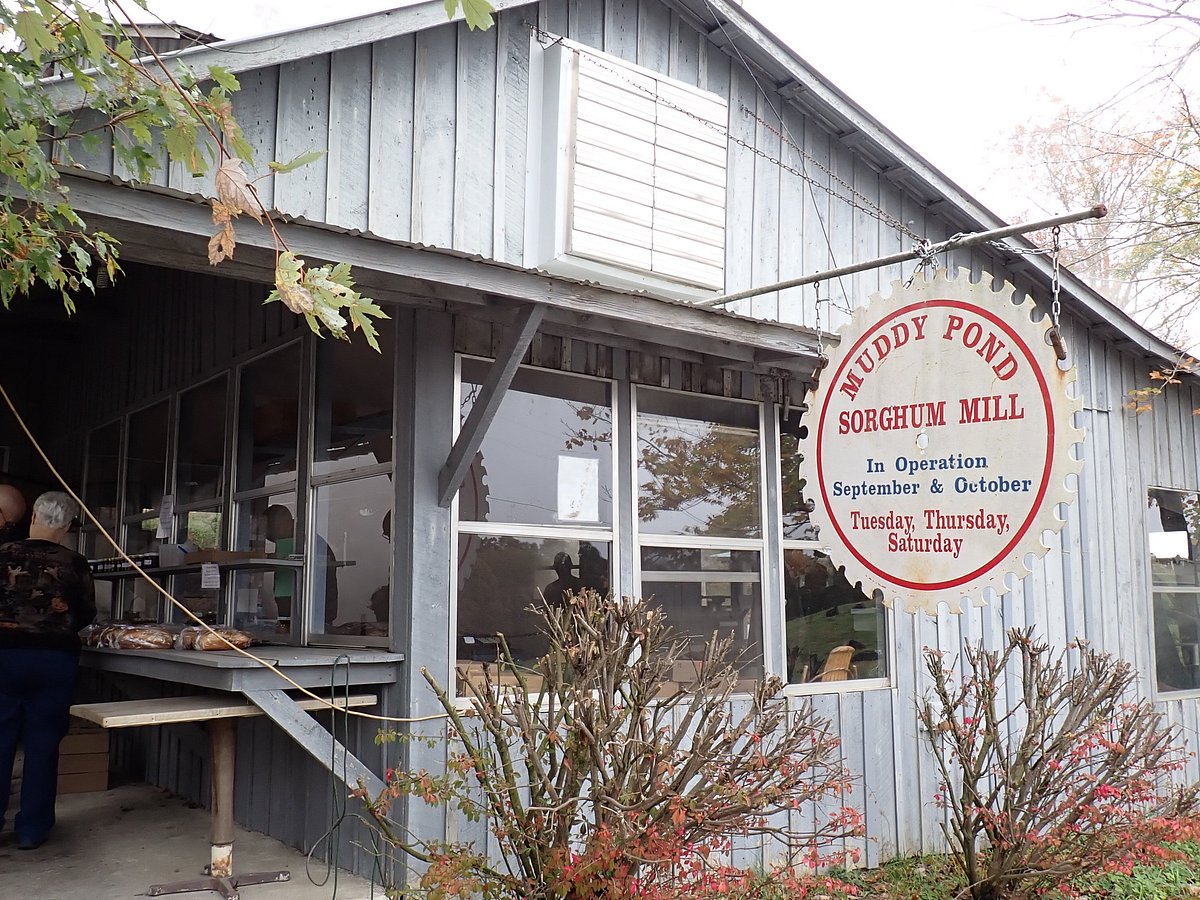
Sorghum syrup — thick, sweet, and similar to molasses — is the most traditional Southern glaze for country ham. Add a pinch of Lucky Cajun 5-Spice, fresh grated ginger, and whole cloves for a glaze that smells like the holidays and caramelizes beautifully on the ham surface in the final 20 minutes of roasting.
Maple Cinnamon Glaze
Pure maple syrup with cinnamon. Simple, sweet, and pairs naturally with the smoky depth of Benton's ham. Brush on in the final 20 minutes and watch it caramelize into a glossy amber crust.
Maple Mustard Glaze
Maple syrup and stone-ground mustard in equal parts. The tart sharpness of the mustard cuts through the sweetness and produces a more complex glaze that pairs especially well with the biscuit and dill horseradish sauce combination.
Orange Glaze
Fresh orange juice reduced with a little brown sugar and a pinch of Lucky Cajun 5-Spice from the Holiday Survival Kit. Bright, citrusy, and slightly sweet — the orange cuts through the richness of the ham in a way that maple and sorghum glazes don't.
Applying the glaze:
Brush the glaze on during the final 20 minutes of roasting. One coat every 5 minutes produces a properly built glaze without burning. Watch it closely — sugar glazes can go from caramelized to burnt in under a minute.
How to Serve
Country ham is traditionally served:
- Sliced thin and piled on homemade biscuits with dill horseradish sauce
- Alongside cranberry mustard for a sweet tart contrast
- With sorghum syrup drizzled over the top
- On a charcuterie board with aged cheddar, pickles, and whole grain mustard
- As the centerpiece of the holiday table carved at the table
The biscuit and country ham combination from the No-BS Holiday Cookbook is one of the best bites of the entire holiday season. Split a warm biscuit, layer with thin-sliced country ham, and add a generous spoonful of dill horseradish sauce. That's the whole recipe.
The Ham Bone and Leftover Strategy
The ham bone is where the real value of a country ham lives.
Ham stock: The ham bone plus leftover meat makes stock for days. Simmer with aromatics until the collagen dissolves. Strain and store. Use for red beans and rice, soups, beans, greens, and anything else that benefits from smoky savory depth. The red beans and rice recipe from the No-BS Holiday Cookbook was built specifically around this stock.
Sliced ham leftovers:
- Ham sandwiches with cranberry mustard and biscuits
- Added to casseroles and holiday dishes
- Chopped into eggs for breakfast
- Diced into soups and bean dishes
One country ham produces multiple meals over multiple days. That's the economy and the tradition of holiday ham cooking done right.
Variations With Lucky Cajun Blends
Black Label rub: Before roasting rub the scored ham surface with Lucky Cajun Black Label for a Cajun-spiced crust that builds during the roast and pairs beautifully with the maple mustard glaze.
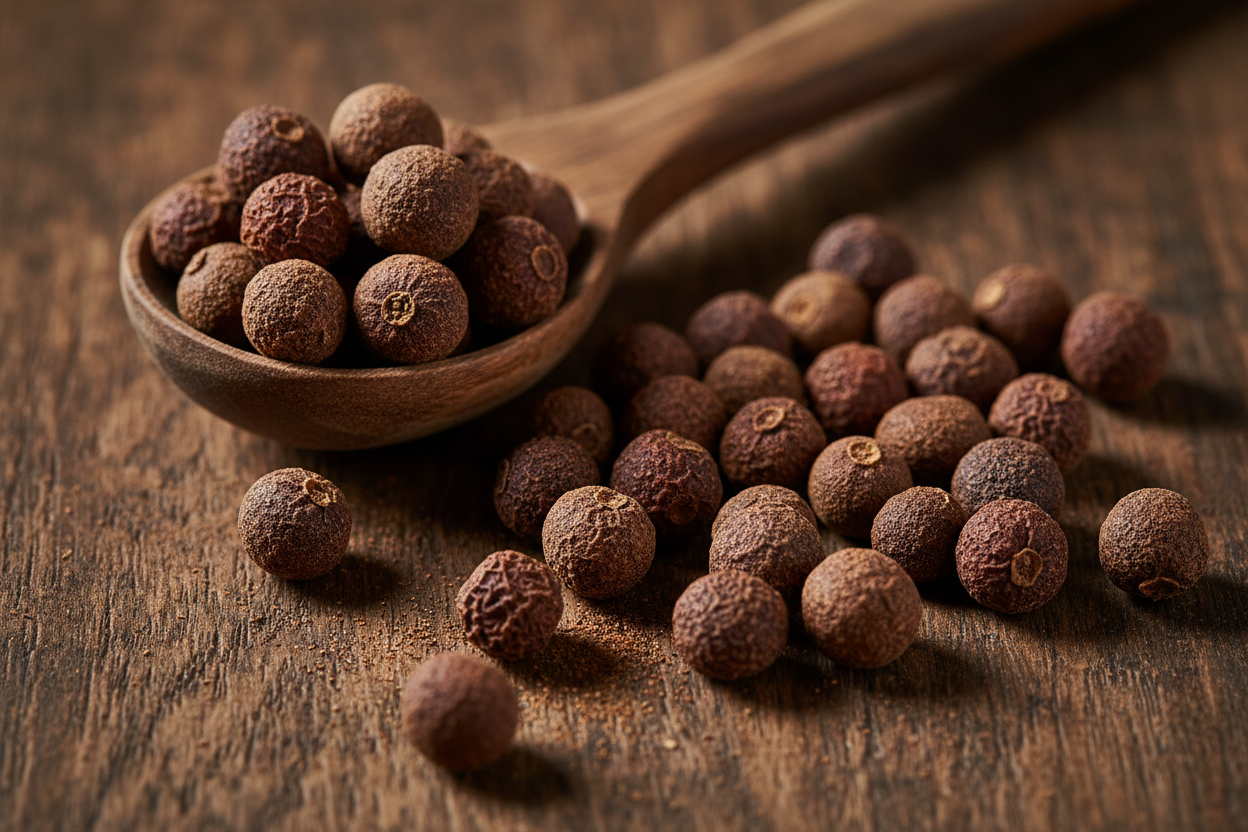
5-Spice in the glaze: A pinch of Lucky Cajun 5-Spice in any of the four glazes adds warm aromatic complexity that makes the glaze taste more intentional. Available in the Holiday Survival Kit.
Stuffing Perfection connection: The ham bone stock built from a Benton's Farm ham is the best stock you can put under the cornbread dressing from the cookbook. The Stuffing Perfection blend from the Holiday Survival Kit and Benton's ham stock together produce a dressing that people talk about long after the holiday is over.
FAQ
What is country ham?
A dry-cured and smoked pork leg that is salt-cured for months before being sold. Country ham has a much more intense smoky salty flavor than wet-cured grocery store ham. It requires soaking before cooking to remove excess salt and rehydrate the meat.
Why does country ham need to be soaked before cooking?
Country ham is heavily salt-cured during the curing process. Without soaking it will be too salty to eat. Soaking for 48 hours minimum — changing the water every 12 hours — removes excess salt and rehydrates the meat to a proper texture for roasting.
What is Benton's Farm and why use their ham?
Allan Benton's ham and bacon operation in Benton, Tennessee produces some of the most celebrated cured pork in America. Used by top restaurants across the country for its intensely smoky rich flavor. Once you cook with it store-bought ham tastes like cardboard.
What temperature should country ham be cooked to?
145°F internal temperature. Country ham is already cured and safe to eat — the roasting is about developing flavor and rendering the fat rather than cooking raw meat to a safe temperature.
How long does it take to roast a country ham?
15 to 18 minutes per pound based on the pre-soak weight at 325°F. Let rest 30 to 40 minutes before slicing.
What is the best glaze for country ham?
Sorghum glaze is the most traditional Southern choice. Maple mustard is the most balanced — the sharpness of the mustard cuts through the sweetness. Orange glaze is the most unexpected and the most elegant. All four glazes in this guide are worth making.
What is sorghum syrup?
A thick sweet syrup similar to molasses made from sorghum grass. A traditional Southern sweetener used in cooking and baking. Widely available at Southern grocery stores, farmers markets, and online.
What do you do with the country ham bone?
Make stock. Simmer the bone with aromatics until the collagen dissolves, strain, and store. Use for red beans and rice, soups, bean dishes, and greens. The ham bone stock is one of the most flavorful cooking liquids you'll produce all holiday season.
What is the best way to serve leftover country ham?
Sliced thin on homemade biscuits with dill horseradish sauce is the classic. Ham sandwiches with cranberry mustard. Diced into eggs for breakfast. Added to soups and casseroles throughout the week.
What is the best Cajun seasoning for country ham?
Lucky Cajun Black Label rubbed into the scored ham surface before roasting builds a Cajun-spiced crust that pairs naturally with any of the four glazes. Lucky Cajun 5-Spice in the glaze itself adds warm aromatic complexity. Both are available in the Lucky Cajun Holiday Survival Kit.
Why Lucky Cajun
A properly cured country ham from Benton's Farm doesn't need much help. What Lucky Cajun adds is the layered Cajun depth in the rub and the warm aromatic complexity in the glaze that takes a great ham and makes it a great holiday dish. Fresh ground seasoning with a Born-On Date on every bag means the flavor is still working when it goes on the ham.
🌶️ Shop the Holiday Survival Kit
🌶️ Shop Lucky Cajun Black Label
🌶️ Shop Lucky Cajun Salt-Free Original
Soak it properly. Roast low and slow. Glaze in the final 20 minutes. Save the bone for stock.
That's country ham done right. 🌶️