
Hollandaise is one of the five French mother sauces and the one that intimidates people most. It shouldn't. Most failures come from rushing or overthinking — not from lack of skill.
It's an emulsion of warm butter and egg yolks. The technique rewards calm execution more than culinary talent. Get the temperature right, whisk steadily, and it comes together every time.
Seasoning freshness is the most overlooked part of a cooking. Most of what's in your cabinet was ground over a year ago — the flavor's already gone, and nothing on the jar tells you when it was made. Every Lucky Cajun bag is stamped with the date it was ground. Nobody else in the US does that. [Browse our fresh ground seasoning collections →] Satisfaction guaranteed.
Why This Works
The egg yolks are the emulsifier. They bind the warm butter into a stable creamy sauce that holds its texture rather than separating into greasy pools.
Temperature is everything. Too hot and the yolks scramble. Too cold and the butter won't emulsify. The target is warm — not hot, not cold. The butter should be at or just below a simmer. The yolks should thicken gradually as the butter goes in.
Adding butter a few drops at a time at the beginning tempers the yolks and starts the emulsion before larger amounts go in. Skipping this step and adding too much butter too fast is the most common reason hollandaise breaks.
You don't need clarified butter. It adds complexity without guaranteeing better results. Regular melted butter works perfectly well. Focus on temperature and technique before worrying about clarification.
Equipment
- Whisk
- 1 quart stainless steel bowl
- Insulated cup or stainless mug pre-warmed with hot water
- Small saucepan with handle
- Moist kitchen towel
- Small ladle or large spoon
Base Technique
1. Melt the Butter
Melt ½ pound butter slowly in a small saucepan. Bring to at or just below a simmer — small bubbles forming at the edges. Keep it hot throughout. Cold butter will not work.
2. Prepare the Yolks
Separate 2 large egg yolks into a stainless steel bowl. Roll a moist kitchen towel into a ring and place on the counter. Set the bowl inside the ring to hold it steady while whisking — both hands free to add butter and whisk simultaneously.
3. Begin the Emulsion
Whisk the yolks vigorously. Add just a few drops of hot butter while whisking until fully incorporated. Repeat several times adding only a small amount at first. This tempers the eggs and begins the emulsion without scrambling the yolks.
4. Add the Remaining Butter
Once the yolks thicken and the emulsion is established continue whisking and slowly drizzle in more butter — increasing the amount gradually until all the butter is incorporated. The sauce should be thick, glossy, and coat the back of a spoon.
5. Season
Season with:
- Acid — lemon juice, white wine vinegar, or a dash of hot sauce
- Salt or fresh ground Lucky Cajun Black Label to taste
Taste and adjust. The acid brightens the sauce and balances the richness of the butter.
Holding the Sauce
Transfer the finished hollandaise into a pre-warmed insulated stainless mug. If properly warmed it will hold safely for 15 to 30 minutes — reducing last-minute pressure when timing multiple dishes.
Variations
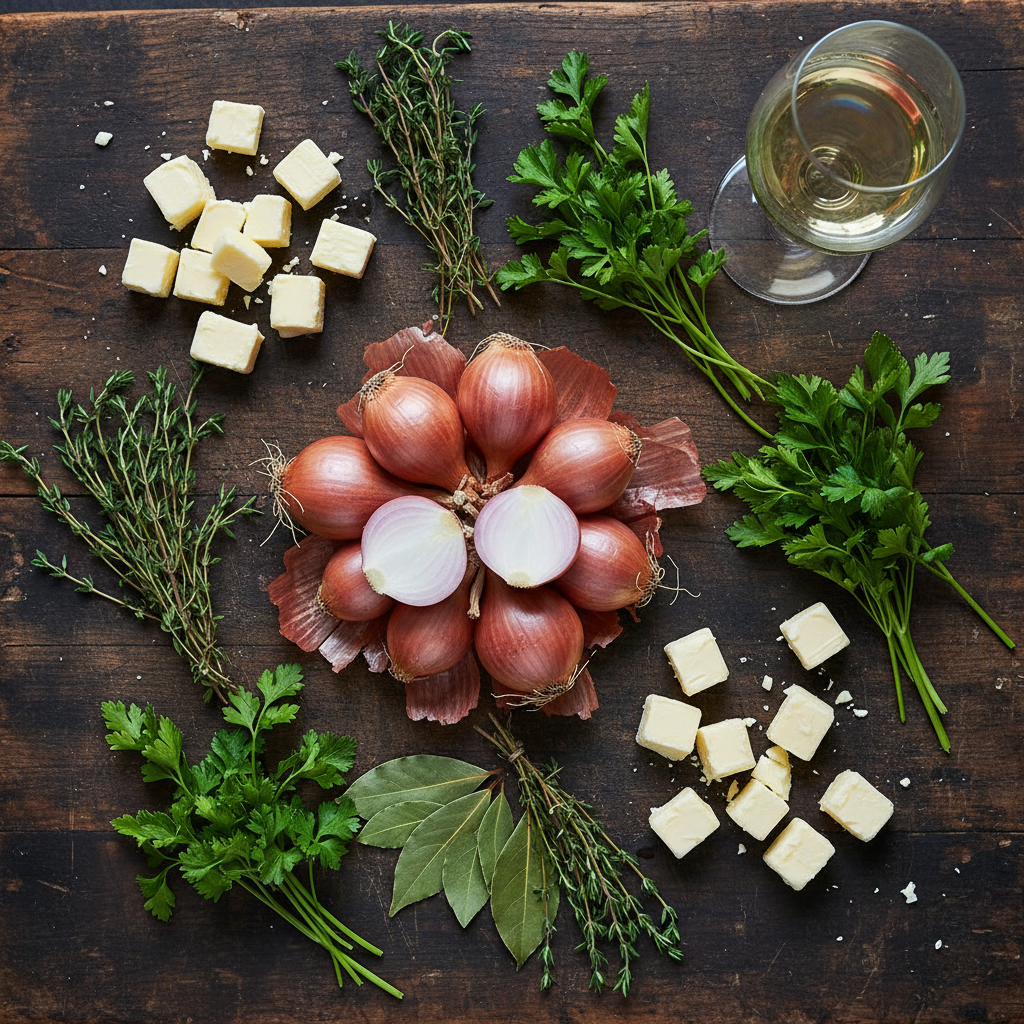
Béarnaise: Add red wine vinegar, finely chopped shallots, and fresh tarragon. The classic accompaniment for steak that starts with the same hollandaise base.
Choron: Add tomato paste to béarnaise for a slightly sweeter more complex sauce that works beautifully with grilled fish and shellfish.
Get the base hollandaise right before chasing variations. The variations only work when the foundation is solid.
If It Breaks
A broken hollandaise looks greasy and separated. It's not ruined.
Remove from heat. Start with a fresh yolk in a clean bowl and whisk it. Slowly drizzle the broken sauce into the fresh yolk while whisking — treating the broken sauce as the butter. The fresh yolk re-emulsifies everything.
It takes an extra minute and saves the whole batch.
Where to Use It
Hollandaise works anywhere richness and butter depth are needed:
- Eggs Benedict — the classic application
- Pan-seared or broiled fish
- Steamed or roasted asparagus
- Poached salmon
- Grilled scallops
- Steamed lobster or crab
Butter has range. Once you can make hollandaise consistently it becomes one of the most useful sauces in the kitchen.
FAQ
What is hollandaise sauce?
A classic French emulsion sauce made from warm butter whisked into egg yolks and seasoned with acid. One of the five French mother sauces and the foundation for béarnaise, choron, and several other derivatives.
Why does hollandaise break?
Usually from too much heat scrambling the yolks or butter added too fast before the emulsion is established. Keep the heat moderate, add butter slowly at the beginning, and whisk constantly.
How do you fix broken hollandaise?
Start with a fresh egg yolk in a clean bowl. Whisk it and slowly drizzle in the broken sauce treating it like butter. The fresh yolk re-emulsifies the sauce.
Do you need clarified butter for hollandaise?
No. Regular melted butter works well. Clarified butter removes milk solids and water which can help with stability but adds complexity without guaranteeing better results. Master the technique first with regular butter.
What temperature should hollandaise be?
Warm — not hot, not cold. The butter should be at or just below a simmer. If the sauce gets too hot the yolks scramble. If it gets too cold the butter won't emulsify properly.
How long can hollandaise be held?
15 to 30 minutes in a pre-warmed insulated mug. Beyond that the temperature drops enough to risk food safety. Make it as close to serving time as practical.
What acid works best in hollandaise?
Fresh lemon juice is the classic choice. White wine vinegar produces a slightly sharper more complex result. A dash of hot sauce adds acid and subtle heat. Any of the three work — use what you have.
What is the difference between hollandaise and béarnaise?
Both start with the same butter and egg yolk emulsion. Béarnaise adds red wine vinegar, shallots, and fresh tarragon — making it more aromatic and herb-forward. Hollandaise is simpler and more neutral. Béarnaise traditionally accompanies steak. Hollandaise accompanies eggs and seafood.
Can I make hollandaise ahead of time?
It's best made fresh close to serving. It can be held for 15 to 30 minutes in a pre-warmed insulated mug but doesn't refrigerate and reheat well — the emulsion breaks during chilling.
What is the best sauce for eggs Benedict?
Classic hollandaise — the original. Béarnaise for a more herb-forward version. Choron for something slightly richer with tomato depth. All three start with the same base technique.
Why Lucky Cajun
A pinch of Lucky Cajun Black Label or a dash of Lucky Cajun hot sauce as the acid component in hollandaise adds Cajun depth that carries through the rich butter sauce. Fresh ground seasoning blooms into the warm emulsion and distributes evenly through every spoonful. Every Lucky Cajun bag ships with a Born-On Date so you know the seasoning is still working when it matters.
🌶️ Shop Lucky Cajun Black Label
🌶️ Shop Lucky Cajun Salt-Free Original
🌶️ Shop the Best Sellers 4-Pack
Warm butter. Slow addition. Steady whisking. Season with acid at the end.
That's hollandaise done right. 🌶️