

If your chicken breast keeps coming out dry you're not alone — and it's not your fault.
Chicken breast is the trickiest cut in the kitchen. It's lean, unforgiving, and the window between juicy and dry is smaller than most people realize. Most recipes tell you to cook it for a set time at a set temperature and call it done. That's exactly why it keeps coming out wrong.
The fix isn't a trick. It's understanding why it dries out and doing three things differently.
Seasoning freshness is the most overlooked part of cooking chicken. Most of what's in your cabinet was ground over a year ago — the flavor's already gone, and nothing on the jar tells you when it was made. Every Lucky Cajun bag is stamped with the date it was ground. Nobody else in the US does that. Browse the fresh ground chicken seasoning collection Satisfaction guaranteed.
Why Chicken Breast Dries Out
Chicken breast has very little fat. Lean meat loses moisture fast under heat. A few extra degrees tightens the muscle fibers and pushes the juices out — and once they're gone they don't come back.
The biggest mistake is cooking by time instead of temperature. Every chicken breast is a different size and thickness. Time can't account for those differences. Temperature can.
The Real Fix — Brine First
A wet brine or marinade changes how the muscle fibers behave and helps the meat hold moisture during cooking. Salt penetrates the surface and restructures the proteins so they grip water instead of releasing it.
A wet brine with fresh ground Lucky Cajun Black Label or Greek Out (← Add to cart) works well. The fresh-ground seasoning doesn't just flavor the surface — it works into the meat during the brine and builds flavor from the inside out.
After brining pat the chicken completely dry. Wet chicken steams instead of sears. Dry chicken browns and builds a proper crust.
Black Label ⭐⭐⭐⭐⭐
"I love my Lucky Cajun spices!!! I use the Black Label in almost everything, it is soooo delicious! Really, they are all so good I can't choose a favorite. I highly recommend. If you haven't tried these you NEED to right away, you can't go wrong!!!" — Kathryn Gibson
How to Apply Heat Correctly
Sear hot first. Build color and flavor on the surface before the interior starts cooking.
Finish low. Once color is established drop the heat and let the interior catch up gently. Blasting chicken with high heat all the way through is how it dries out.
Cooking Methods That Work
On the grill:
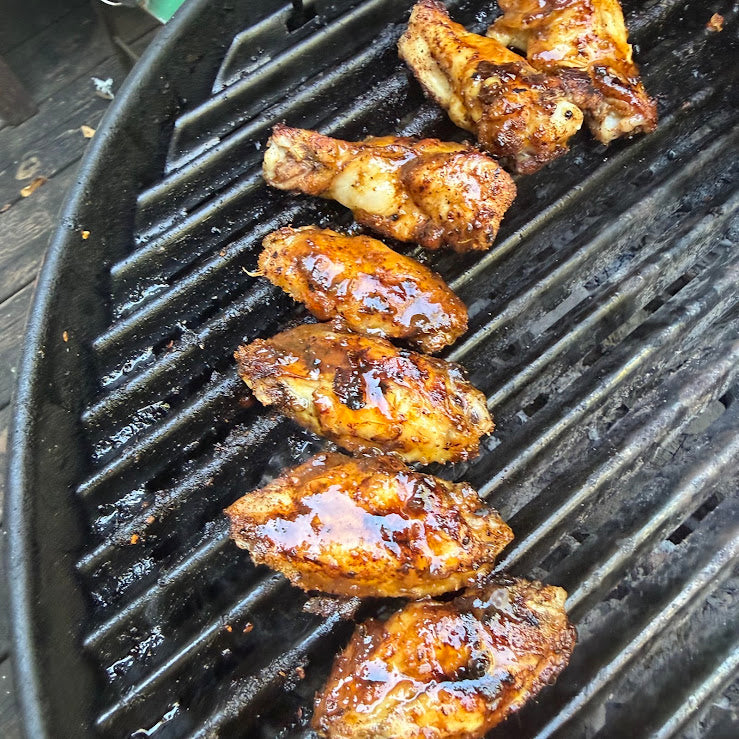
Sear over direct heat to get grill marks and char. Move to an indirect heat zone to finish cooking. Let the brine do the work instead of blasting it the whole time.
On the stovetop:
Pan sear in a hot cast iron or stainless pan. Once browned transfer the pan to a low oven at 325°F to finish. This gives you crust without overcooking the interior.
Air fryer:
Works well because it delivers steady high heat all around the surface. Brine first, pat dry, cook to temperature.
Use a Thermometer — Every Time
Cooking times fail because chicken breasts vary in thickness and size. Time can't account for those differences. A thermometer costs under $15 and removes all the guesswork.
Pull chicken breast at 160–162°F. It will continue cooking slightly as it rests and reach a safe 165°F without going over.
Cutting into it to check doneness pushes juices out. Use a thermometer instead.
Why Resting Matters
Resting is not optional.
When chicken comes off the heat the juices are pushed toward the center by the cooking process. Resting allows them to reabsorb back into the meat evenly. Cutting too soon pushes them out onto the cutting board instead of staying in the chicken.
Rest for at least 5 minutes before slicing. That rest is the difference between juicy and dry on the plate.
If You Plan to Reheat Later
Chicken breast reheats poorly when left whole. The second round of heat pushes moisture out a second time.
The fix:
- Slice before reheating
- Reheat gently with stock or a sauce
- Or use leftovers cold in soups, sandwiches, or salads where texture matters less
Thighs reheat better than breasts. If you're meal prepping consider using thighs instead.
Which Lucky Cajun Blend to Use
Black Label — bold, smoky, and versatile. Works on any cooking method and holds up through a brine and a sear.
Greek Out — bright herbs and citrus. Excellent in a wet brine for grilled or roasted chicken breast. Pairs naturally with the Mediterranean flavors that work well with white meat.
Greek Out ⭐⭐⭐⭐⭐
"I have several seasoning packets from The Lucky Cajun, each time I think I have found a favorite, I try another and then I think that ones my favorite. Today it was the Greek Out — it added so much flavor to a Mediterranean dish I was making." — Jen Bean
Salt-Free Cajun — same fresh-ground depth without added sodium. Perfect when you want to control salt levels in the brine separately.
Lucky Lemon Dilly Pepper — zesty and aromatic. No heat. Works well for a lighter brine on chicken breast destined for salads or sandwiches.
Lucky Lemon Dilly Pepper ⭐⭐⭐⭐⭐
"I love Lucky Cajun seasoning blends. I have several but my favorites are the Black Label, which is great on everything, the Lucky Lemon Dilly, perfect for chicken salad..." — Laura Finch
FAQ
Why does my chicken breast always come out dry?
Usually because it was cooked too long, by time instead of temperature, or without a brine. Chicken breast is lean and loses moisture fast. A few degrees over 165°F is all it takes.
What temperature should chicken breast be cooked to?
Pull it at 160–162°F and let it rest. Carryover cooking brings it to a safe 165°F without going over and drying it out.
Does brining really make a difference?
Yes. A wet brine changes how the muscle fibers hold moisture during cooking. Even 30 minutes in a seasoned brine produces noticeably juicier results.
How long should I brine chicken breast?
30 minutes works for a quick brine. 2 to 4 hours produces better results. Overnight is ideal for maximum moisture retention.
Why does chicken breast dry out when reheated?
The second round of heat pushes remaining moisture out. Slice before reheating and use stock or sauce to add moisture back during the reheat.
What is carryover cooking?
The internal temperature of meat continues rising after it's removed from heat. Pulling chicken at 160–162°F allows carryover cooking to safely reach 165°F without overshooting.
Is chicken thigh easier to cook than breast?
Yes. Thighs have more fat and connective tissue which makes them more forgiving. They have a wider temperature window and reheat much better than breast.
What pan is best for searing chicken breast?
Cast iron holds heat evenly and creates the best crust. A heavy stainless steel pan is also excellent. Avoid thin non-stick pans that can't hold temperature during a proper sear.
Can I cook chicken breast in an air fryer without drying it out?
Yes — brine first, pat dry, and cook to temperature rather than time. The circulating heat of an air fryer works well for chicken breast when you monitor the internal temperature.
What does Lucky Cajun Black Label do in a chicken brine?
The fresh-ground seasoning penetrates the surface during the brine and builds flavor from the inside out. No fillers, no sugar — just bold flavor that holds up through the cook.
Why Lucky Cajun
Fresh-ground seasoning in a brine works differently than processed blends. The volatile oils are still active and penetrate the meat during the brine instead of just sitting on the surface. Every Lucky Cajun bag ships with a Born-On Date so you know the seasoning is alive when it goes into the brine.
🌶️ Shop Lucky Cajun Black Label
🌶️ Shop Lucky Cajun Greek Out
🌶️ Shop Lucky Cajun Salt-Free Cajun
Brine for moisture. Sear hot, finish low. Cook to temperature not time.
That's the whole fix. 🌶️



Leave a comment
This site is protected by hCaptcha and the hCaptcha Privacy Policy and Terms of Service apply.