Blackened fish is one of the great Louisiana contributions to American cooking. High heat, bold seasoning, and a cast iron pan that's ripping hot — the result is a dark spiced crust and moist flesh underneath that nothing else quite matches.
The technique originated in Louisiana in the 1970s and 80s, most famously with red drum. It got so popular that fishing regulations had to change to protect red drum stocks in Louisiana waters. That's how good it is — people nearly fished out an entire species chasing this exact preparation.
Seasoning freshness is the most overlooked part of blackening seafood. Most of what's in your cabinet was ground over a year ago — the flavor's already gone, and nothing on the jar tells you when it was made. Every Lucky Cajun bag is stamped with the date it was ground. Nobody else in the US does that. [Browse the fresh ground Blackening collection →] Satisfaction guaranteed.
Here's how to do it right, and safely.
Best Fish for Blackening
This method suits larger cuts or sides of fish. Skin-off works best, though it's not a hard rule.
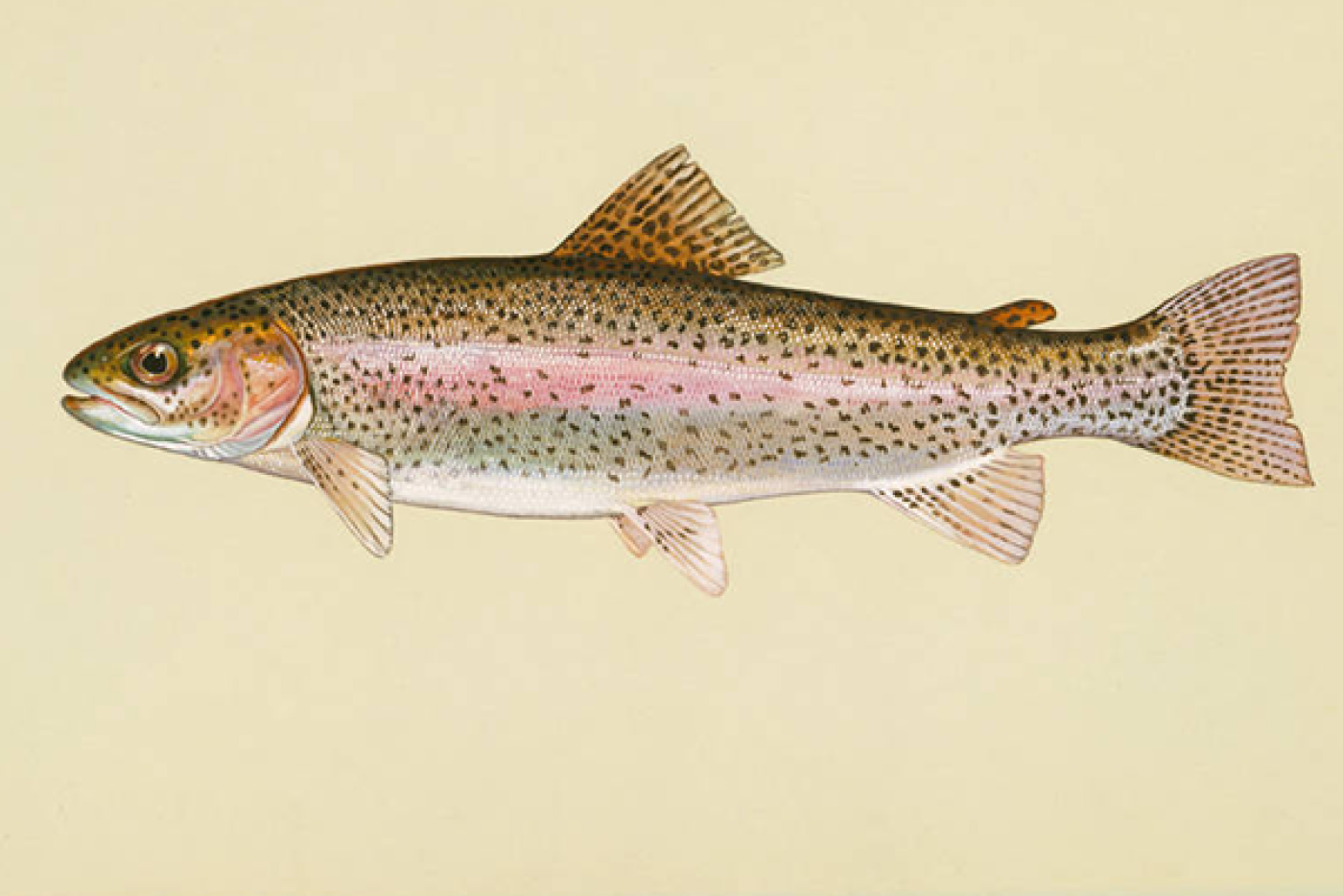
Well-suited fish include:
- Catfish
- Snapper
- Grouper
- Monkfish
- Triggerfish
- Salmon
The technique also works beautifully on steak, chicken, and pork — but that's another book.
Setup and Safety — Read This First
Blackening produces a lot of smoke. This is not a quiet technique. Ventilation matters.
If you don't have strong ventilation indoors, take your cast iron skillet outside and cook on a grill or a propane burner. This is genuinely the move for most home kitchens — outdoor blackening avoids setting off every smoke alarm in the house.
The setup:
- Use a cast iron pan — nothing else holds this kind of heat
- Target pan temperature: 425 to 450°F
- The pan should be ripping hot and smoking before the fish goes in
- Always use dry towels — never a wet towel on a hot pan (steam burns are serious)
Seasoning and Oil
Season the fish aggressively. Blackening is not the time for a light hand — the seasoning is half the dish.
For serious heat: Fresh ground Lucky Cajun Blackened Scorpion is built for exactly this.
For a milder blackening blend: mix 1 part Lucky Cajun Black Label with 1 part Lucky Cajun Salt-Free Original. This gives you full Cajun flavor and the char without overwhelming heat.
Some cooks season heavily enough that no oil is needed. If your seasoning is lighter, add 1 to 2 tablespoons of high smoke-point oil to the area of the pan where the fish will cook.
One safety note: if the oil starts bubbling aggressively, the pan is too hot and unsafe. Back it off.
And an honest one: if you don't like spice, this preparation probably isn't for you.
Cooking the Fish
Do not throw the fish into the pan. That's how oil splashes and people get burned.
The safe way to lay it in:
- Hold the fish with tongs
- Lower it into the pan slowly, laying it down away from you so any splatter goes in the opposite direction
If the pan isn't smoking once the fish is down, it isn't hot enough. That's okay — it will just take longer to develop the characteristic char. Don't panic and don't crank it hotter mid-cook.
Cook without moving until a crust forms, then flip deliberately. Like every other fish technique, the crust needs time to develop and the fish releases when it's ready. If it's stuck, it's not done.
Because of the high heat, the fish continues cooking after it comes out of the pan. Let it rest briefly before serving. Blackened fish — like fried fish — can burn your mouth if eaten immediately, and not in a good way.
How to Serve Blackened Fish
Blackened fish is bold enough to anchor a plate and stand up to rich sauces.
Serve it:
- On sandwiches and po'boys
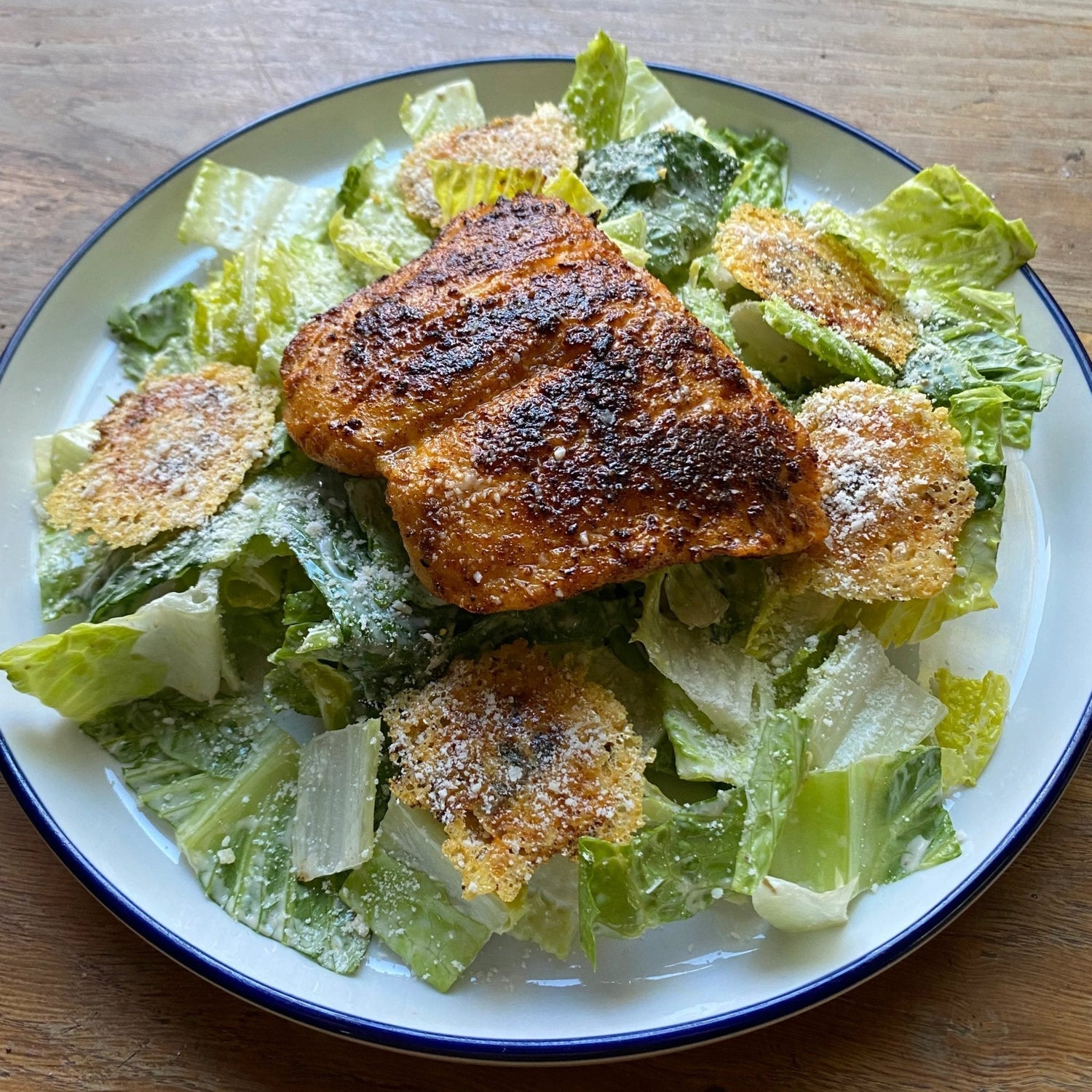
- Over dinner salads — blackened salmon Caesar is a classic
- Over rice dishes and grits
- With a rich sauce that plays against the char
Sauce pairings that work:
- Beurre blanc — the richness balances the spice
- Remoulade — Louisiana on Louisiana
- Tartar sauce — bright and sharp against the char
Variations With Lucky Cajun Blends
Maximum heat: Lucky Cajun Blackened Scorpion, straight, applied heavy.
Balanced Cajun: Equal parts Lucky Cajun Black Label and Salt-Free Original for full flavor and char with controlled heat.
Smoky blackened: Add fresh ground Lucky Cajun Black Beard's Smoke to the blend for a deeper smokier crust.
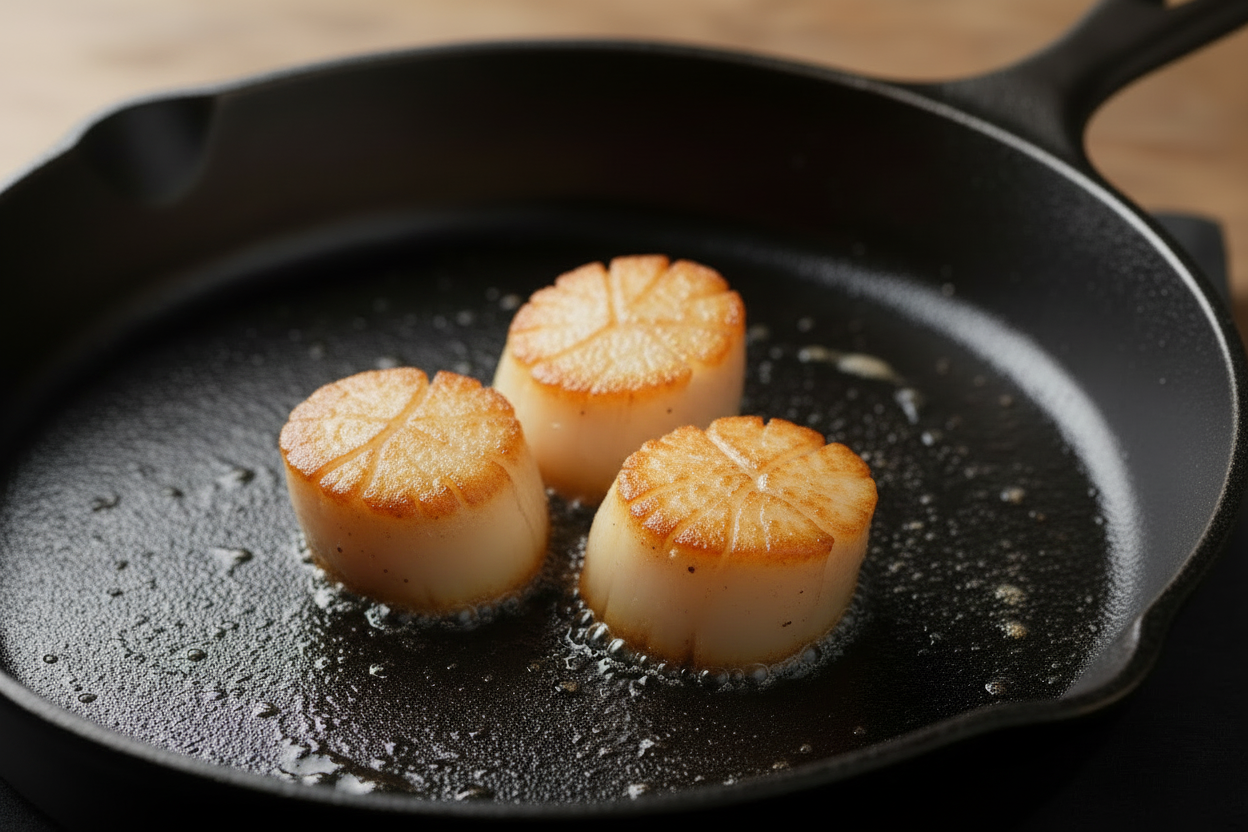
Blackened shrimp and scallops: The same technique works — just faster. Season aggressively and sear hard for under a minute per side.
FAQ
What does blackening fish mean?
A Louisiana cooking technique where fish is seasoned aggressively and cooked in a ripping-hot cast iron pan until a dark spiced crust forms. The "black" comes from the seasoning charring on the intensely hot surface — not from burning the fish.
What temperature do you blacken fish at?
The cast iron pan should reach 425 to 450°F and be smoking before the fish goes in. High heat is non-negotiable — it's what creates the characteristic crust. If the pan isn't smoking, it isn't hot enough.
What is the best fish for blackening?
Firmer larger cuts work best — catfish, snapper, grouper, monkfish, triggerfish, and salmon. Skin-off is generally better for blackening. The fish needs enough substance to handle the intense heat without falling apart.
What seasoning do you use for blackened fish?
An aggressive, bold Cajun blend. Lucky Cajun Blackened Scorpion for serious heat, or a mix of equal parts Black Label and Salt-Free Original for a milder blackening blend with full flavor and controlled heat.
Do you need oil to blacken fish?
Not always. Some cooks season heavily enough that no oil is needed. If your seasoning is lighter, add 1 to 2 tablespoons of high smoke-point oil to the pan where the fish will cook. If the oil bubbles aggressively, the pan is too hot.
Why is blackening so smoky?
The seasoning chars on the intensely hot cast iron, which produces heavy smoke. This is normal and expected. If you don't have strong indoor ventilation, blacken outside on a grill or propane burner.
Can you blacken fish without a cast iron pan?
Cast iron is strongly recommended — it's the only pan that holds the extreme steady heat this technique requires. Other pans won't retain the heat needed to form a proper crust and may warp or be damaged at these temperatures.
How do you know when blackened fish is done?
A dark crust forms and the fish releases from the pan when the first side is ready. Flip deliberately and cook the second side. Because of the high heat, the fish keeps cooking after it comes out — pull it slightly early and let it rest briefly.
What sauces go with blackened fish?
Rich sauces that stand up to the bold char — beurre blanc, remoulade, and tartar sauce all work. The richness or brightness of the sauce balances the intense spiced crust.
Is blackened fish spicy?
It can be. Traditional blackening uses bold Cajun seasoning with real heat. For a milder version, use a balanced blend like equal parts Black Label and Salt-Free Original. If you don't like spice, this preparation probably isn't for you.
Why Lucky Cajun
Blackening lives and dies by the seasoning — it's applied heavy and it forms the entire crust. Fresh ground Lucky Cajun with a Born-On Date on every bag brings volatile oils that are still alive, so when they hit 450°F cast iron they bloom into a deep, complex crust instead of a flat scorched one. Blackened Scorpion and Black Label are built for exactly this heat. Stale warehouse seasoning just burns. Fresh ground chars into flavor.
🌶️ Shop Lucky Cajun Blackened Scorpion
🌶️ Shop Lucky Cajun Black Label
🌶️ Shop Lucky Cajun Salt-Free Original
🌶️ Explore the Seafood Sauce Library
Ripping hot cast iron. Season aggressively. Lay it in away from you. Don't touch it until it releases.
That's blackened fish done right. 🌶️