Pan-searing is the lighter, gentler counterpart to blackening. Lower heat, lighter seasoning, and far less smoke — which makes it the everyday seafood technique for anyone without serious kitchen ventilation.
It works on almost everything: fish fillets, shrimp, scallops, and crab or fish cakes. You can still build spice if you want, just at a controlled temperature. And best of all, it opens the door to pan sauces — the fond left in the pan becomes flavor, not waste. This is the technique that leads straight into brown butter and beurre blanc.
Seasoning freshness is the most overlooked part of a searing flavorful seafood. Most of what's in your cabinet was ground over a year ago — the flavor's already gone, and nothing on the jar tells you when it was made. Every Lucky Cajun bag is stamped with the date it was ground. Nobody else in the US does that. [Browse the fresh ground Seafood seasoning collection →] Satisfaction guaranteed.
Pan-Searing Fish
Setup:
- Pan temperature: 350 to 375°F
- Use a heavy-bottom pan — stainless steel builds the best fond
- Pat the fish completely dry
- Season well, but not aggressively with fresh ground Lucky Cajun Seafood Blends
Butter works best here. Use enough to prevent sticking — a few tablespoons is typical. Butter protects the fish, adds flavor, and sets you up for a pan sauce.
Cooking:
Add butter to the hot pan and let it melt and foam. Place the fish in the pan and leave it alone — let a crust form before flipping. Once the fish releases easily, it's ready to flip. If it sticks, it's not ready.
Flip once and finish cooking.
For cuts over 1 inch thick: sear the exterior in the pan, then transfer to a 400°F oven for a few minutes until just done. This keeps the outside clean and seared while the inside cooks gently. It also lets you bake on a glaze or a sauce like romesco during the oven finish.
Finishing:
Pull the fish before it's fully done and let it rest briefly — carryover heat finishes the cook. Pan-seared fish pairs naturally with brown butter, beurre blanc, light glazes, or romesco baked on during the oven finish.
Pan-Seared Scallops
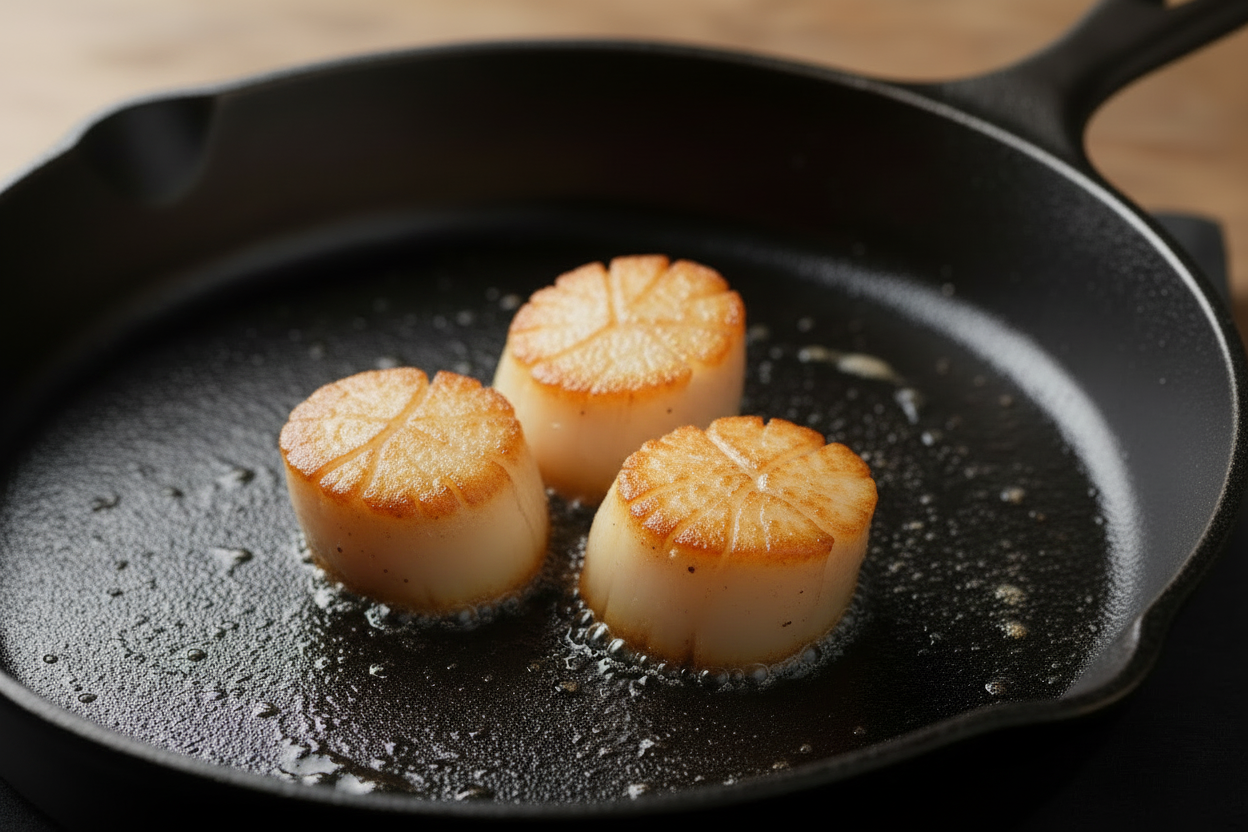
Scallops need aggressive browning and very short cook times. The margin between perfect and rubbery is small, so preparation and heat matter more than anything else.
Dry the scallops completely. Moisture prevents browning and guarantees steaming instead of searing. This is the single most important step with scallops.
Use the higher end of the temperature range — a pan at 375°F. You want fast color without prolonged cooking.
Season lightly and simply. Scallops are naturally sweet. Over-seasoning hides that sweetness — a light touch lets it come through.
Add butter to the pan and let it foam. Place scallops flat-side down and do not move them. Cook about 1 minute per side — two minutes per side is too much. They release easily once browned. Flip once, finish quickly, and remove immediately.
Scallops cook fast enough that you can't walk away. Have everything ready before they hit the pan. Browned outside, just opaque inside — anything beyond that turns rubbery fast. Light sauces pair best.
Grilling Scallops and Shrimp on Skewers
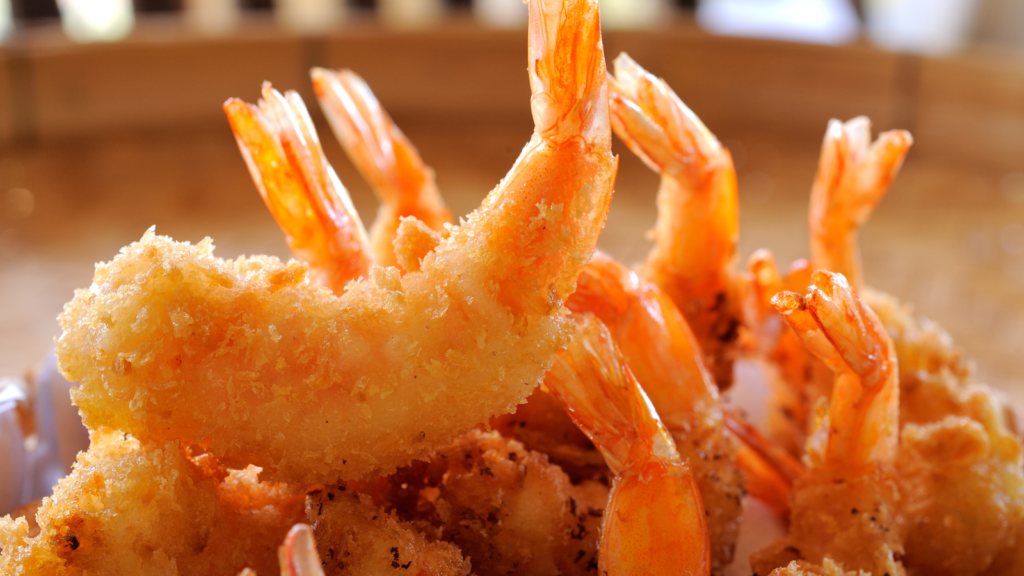
Scallops and shrimp grill exceptionally well, especially skewered. Their cook times are similar and skewers make them easy to handle and flip without losing pieces through the grates.
Preparation:
- Dry thoroughly — moisture prevents browning
- Season simply and oil lightly just before grilling
- Avoid sugary marinades — they burn quickly over direct heat
- Skewer smaller shrimp and scallops; larger shrimp may hold on the grate depending on spacing
- Soak wooden or bamboo skewers in water first so they don't burn
Grill setup:
- Medium-high heat, 375 to 450°F
- Clean, lightly oiled grates
- Enough heat to set the surface quickly without overcooking the interior
Cooking:
Place skewers directly over the heat and don't walk away.
- Scallops: about 1 minute per side — pull as soon as they release and show light browning
- Shrimp: about 1 to 2 minutes per side depending on size — pull when just opaque and lightly charred
Overcooking either turns them rubbery fast. Flip once, deliberately, and remove promptly.
Finish with simple butter or oil, a squeeze of citrus, or a cold or warm sauce from the sauce library.
Variations With Lucky Cajun Blends
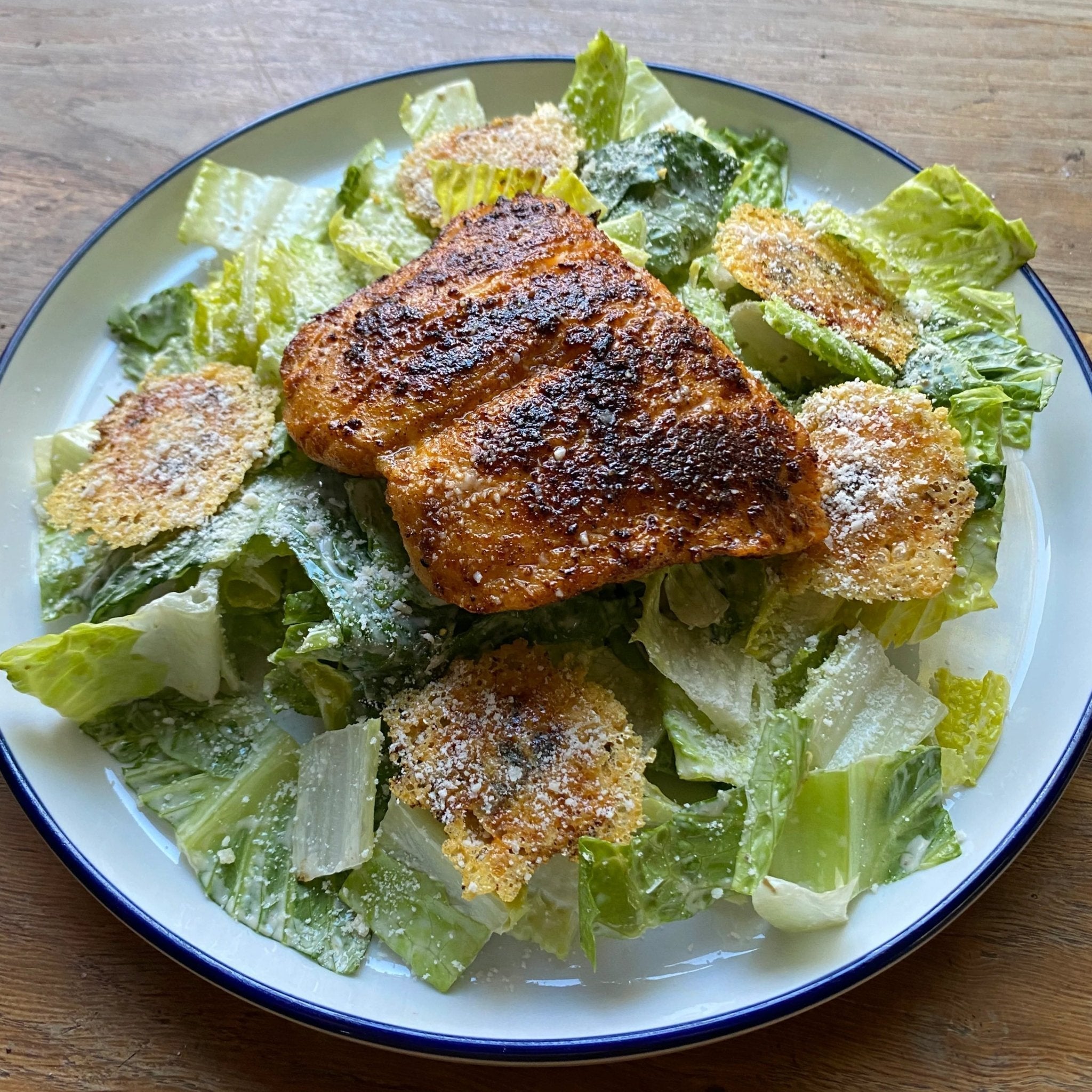
Cajun seared fish: Lucky Cajun Black Label — bold flavor at controlled heat, then a brown butter finish.
Lemon herb scallops: A light touch of fresh ground Lucky Cajun Lucky Lemon Dilly Pepper lets the natural sweetness through.
Cajun shrimp skewers: Lucky Cajun Black Label or fresh ground Voodoo right before grilling for bold flavor and a little heat.
Blackened-lite sear: Equal parts Black Label and Salt-Free Original for a controlled Cajun crust without the smoke of full blackening.
FAQ
What is the difference between pan-searing and blackening fish?
Blackening uses extreme heat, aggressive seasoning, and produces heavy smoke to form a dark crust. Pan-searing uses lower controlled heat, lighter seasoning, and little smoke — making it the everyday method that also builds fond for pan sauces.
What temperature do you pan-sear fish at?
350 to 375°F in a heavy-bottom pan. Use the higher end for scallops, which need fast aggressive browning. Lower and steadier works for fillets you want to cook more gently.
Why does my fish stick to the pan when searing?
It's not ready to flip. Fish releases naturally from the pan once a proper crust has formed. If it sticks, leave it alone and give it more time. Drying the fish first and using enough butter also prevent sticking.
How long do you sear scallops?
About 1 minute per side at 375°F. Two minutes per side is too much and turns them rubbery. Dry them completely first, sear flat-side down without moving, flip once, and pull the moment they're browned outside and just opaque inside.
Why won't my scallops brown?
Moisture. Wet scallops steam instead of searing. Pat them completely dry before they hit the pan, use a hot pan at 375°F, and don't move them until they've browned.
How do you finish thick fish fillets when pan-searing?
Sear the exterior in the pan, then transfer to a 400°F oven for a few minutes until just done. This keeps the outside seared and clean while the thick interior cooks gently without burning the crust.
What sauces go with pan-seared fish?
Pan-searing sets you up perfectly for pan sauces built from the fond — brown butter and beurre blanc are naturals. Light glazes and romesco baked on during an oven finish also work beautifully.
How do you grill scallops and shrimp without losing them?
Skewer them — soak wooden skewers first so they don't burn. Grill over medium-high heat, about 1 minute per side for scallops and 1 to 2 minutes for shrimp. Pull the moment they're just cooked through.
What is the best seasoning for pan-seared seafood?
A fresh ground blend applied with a lighter hand than blackening. Lucky Cajun Black Label for bold flavor, or Lucky Lemon Dilly Pepper for scallops where you want the natural sweetness to come through. Season well but not aggressively.
How do you know when seared seafood is done?
Fish: pull at 135 to 140°F and let it rest to 145°F. Scallops: browned outside, just opaque inside. Shrimp: just opaque and curled into a C, not a tight O. All of them keep cooking after they leave the heat, so pull slightly early.
Why Lucky Cajun
Pan-searing at controlled heat gives fresh ground seasoning the perfect environment to bloom without scorching. Lucky Cajun with a Born-On Date on every bag brings volatile oils that are still alive — they build real flavor into the crust and season the fond that becomes your pan sauce. Stale seasoning gives you neither. Fresh ground gives you a seared crust and a sauce base in the same pan.
🌶️ Shop Lucky Cajun Black Label
🌶️ Shop Lucky Cajun Lucky Lemon Dilly Pepper
🌶️ Shop Lucky Cajun Voodoo
🌶️ Explore the Seafood Sauce Library
Dry it well. Butter in a hot pan. Leave it alone. Flip once. Pull it early.
That's pan-seared seafood done right. 🌶️