Fried fish is a Southern classic. This isn't beer batter — this is flour and cornmeal crusted fish, crisp, seasoned, and cooked with control. The kind of fried fish that shows up at fish fries, family reunions, and church fundraisers across the South, done properly.
You can fry almost anything, but not every seafood is suited for it. Texture and oil content matter. Get the fish right, get the oil temperature right, and control the process — that's the whole game.
Seasoning freshness is the most overlooked part of frying seafood. Most of what's in your cabinet was ground over a year ago — the flavor's already gone, and nothing on the jar tells you when it was made. Every Lucky Cajun bag is stamped with the date it was ground. Nobody else in the US does that. [Browse the fresh ground Seafood seasoning collection →] Satisfaction guaranteed.
Best Fish for Frying
Top tier — can't miss:
- Flounder — thin, sweet, fries fast
- Sole — delicate but holds with a light dredge
- Whiting — underrated, clean fry
- Catfish — firm, forgiving, ideal for cornmeal
- Perch — mild, excellent crunch
Very good:
- Sheepshead — firm, shellfish-forward flavor
- Snapper (small fillets) — clean, not oily
- Grouper (thin cuts) — excellent
- Drum (younger, smaller) — firm if fresh
Avoid for frying:
- Mackerel — too oily
- Bluefish — strong oil plus heat turns fishy
- Salmon — better seared
Oil and Equipment
- Use a 12-inch cast iron skillet
- About 1 inch of oil is enough — you don't need a deep fryer
- Use a high-heat thermometer
Temperature is everything:
- Start the oil at 375°F
- Once fish goes in, the oil temperature drops
- Do not let it fall below 325°F
- 350°F is the working zone
You'll likely need to adjust the heat upward as cooking progresses to hold the working zone. This is why the thermometer matters — frying is controlled heat, not guessing.
Preparing the Fish
Start with 4 fillets from the recommended list.
Pat the fish completely dry. Season with Lucky Cajun Black Label, Muy Thai, Bay Bae, or whatever floats your boat.
The wet step — choose one:
Mustard rub — especially good for catfish. Simple and effective. Coat the fish in a thin layer of yellow mustard. It doesn't taste like mustard when fried — it helps the coating adhere and adds a subtle tang.
Or a milk soak:
- 2 cups whole milk
- 1 egg
- Season lightly with fresh ground Lucky Cajun Black Label
Soak the fish briefly, then remove.
The dredge:
Mix 1½ cups fresh-ground cornmeal and 1½ cups all-purpose flour, seasoned with Lucky Cajun Black Label. Dredge the fish thoroughly and let it sit for a few minutes so the coating adheres. That rest is what keeps the crust on the fish instead of in the oil.
Frying
Lower the fish into the oil slowly, laying it away from you so any splatter goes in the opposite direction.
- Do not overcrowd the pan — it drops the oil temperature and steams the fish
- Add one piece at a time
- Monitor the oil temperature and adjust heat as needed
Reading the fry by the bubbles:
- As the fish cooks, bubbling increases and becomes rapid
- As it finishes, the bubbling slows
- The fish will float — that's your cue
Flip once, deliberately. Remove carefully and place on a rack — not paper towels, which trap steam and make the bottom soggy. Season immediately with Black Label while it's hot so the seasoning sticks. Repeat as needed.
Fried Shrimp
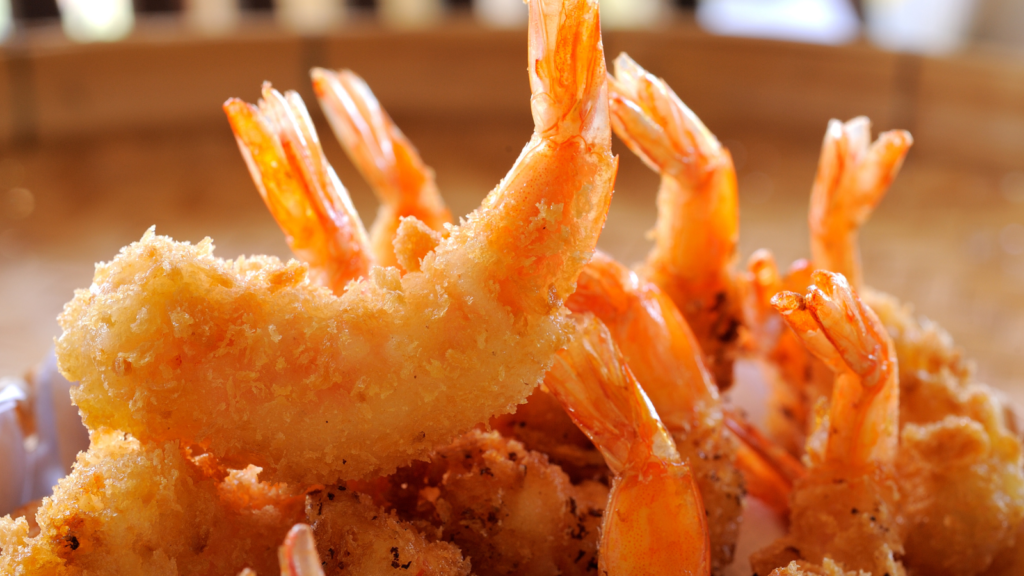
The same technique works well for shrimp. Use larger shrimp — they handle the heat and timing better than small ones, which overcook before the crust develops.
How to Serve Fried Fish
- In a classic fish basket with fries and slaw
- On a sandwich or po'boy with remoulade
- Over rice
- With étouffée poured over the top
- With any sauce from the seafood sauce library — tartar, sneaky sauce, and cocktail sauce are all naturals
Variations With Lucky Cajun Blends
Classic Cajun fry: Lucky Cajun Black Label in the dredge and on the fish after frying.
Thai-spiced fry: Fresh gorund Lucky Cajun Muy Thai for a completely different flavor direction.
Seafood-forward fry: Lucky Cajun Bay Bae, built for exactly this.
Spicy fry: Add fresh ground Lucky Cajun Voodoo to the dredge for real heat under the crust.
FAQ
What is the best fish for frying?
Thin, mild, firm fish fry best — flounder, catfish, whiting, perch, and sole are top choices. Catfish is the Southern classic and pairs perfectly with a cornmeal crust. Avoid oily fish like mackerel and bluefish, and skip salmon, which is better seared.
What temperature do you fry fish at?
Start the oil at 375°F. It drops when the fish goes in — keep it in the 350°F working zone and never let it fall below 325°F. Below that, the fish absorbs oil and turns greasy instead of crisp. A high-heat thermometer is essential.
What is the best coating for fried fish?
A mix of fresh-ground cornmeal and all-purpose flour, seasoned with Cajun seasoning. The cornmeal gives the signature Southern crunch and the flour helps it bind. Fresh-ground cornmeal makes a real difference in flavor and texture.
Should you soak fish before frying?
A brief milk-and-egg soak or a thin mustard rub helps the coating adhere and adds subtle flavor. Mustard is especially good on catfish — it doesn't taste like mustard once fried. Either wet step helps the dredge stick.
Why is my fried fish greasy?
The oil was too cool. When oil drops below 325°F, the fish absorbs it instead of crisping. Keep the oil in the 350°F working zone, don't overcrowd the pan, and adjust the heat up as you cook. Drain on a rack, not paper towels.
How do you know when fried fish is done?
Watch the bubbles and the float. As the fish cooks, bubbling gets rapid, then slows as it finishes, and the fish floats to the surface — that's your cue. Flip once and pull it shortly after.
Why drain fried fish on a rack instead of paper towels?
Paper towels trap steam under the fish and make the bottom crust soggy. A rack lets air circulate all the way around so the crust stays crisp. Season immediately with more Black Label while it's hot so it sticks.
Can you fry shrimp with the same method?
Yes. Use larger shrimp — they handle the heat and timing better than small ones, which overcook before the crust develops. Same dredge, same oil temperature, same process.
Why shouldn't you overcrowd the pan when frying?
Too much fish at once drops the oil temperature sharply, which makes the fish absorb oil and steam instead of fry. Add one piece at a time and fry in batches to keep the oil in the working zone.
What is the best seasoning for fried fish?
A fresh ground Cajun blend both in the dredge and sprinkled on immediately after frying. Lucky Cajun Black Label is the classic, Bay Bae is built for seafood, and Muy Thai takes it in a different direction. Season the coating and the finished fish for layered flavor.
Why Lucky Cajun
Fried fish gets seasoned twice — in the dredge and again the second it comes out of the oil. That double hit only works if the seasoning is alive. Fresh ground Lucky Cajun with a Born-On Date on every bag blooms in the hot crust and sticks to the finished fish with real flavor. Stale seasoning just adds color. Fresh ground is why the crust actually tastes like something.
🌶️ Shop Lucky Cajun Black Label
🌶️ Shop Lucky Cajun Bay Bae
🌶️ Shop Lucky Cajun Muy Thai
🌶️ Explore the Seafood Sauce Library
Dry the fish. Season the dredge. Hold the oil at 350°F. Don't crowd the pan. Season again the second it comes out.
That's fried fish done right. 🌶️