Baking and broiling are the easiest ways to cook fish. They're forgiving, flexible, and ideal for using butter, citrus, herbs, wine, marinades, glazes, and sauces. Once the fish is in the oven, the heat does most of the work — which makes these the best methods for anyone still building confidence with seafood, whether you're working with salmon, cod, tilapia, halibut, or sea bass.
But before any method matters, quality does. The best fish is the freshest fish — caught yourself and cooked soon after, or bought from a source that handles it properly. Fresh fish bakes up firm and clean; old fish never quite recovers no matter how good the technique. Start with quality and the oven does the rest.
There are only two real ways to mess this up — sticking and overcooking. Both are easy to avoid with a little setup and attention.
The moment fresh fish hits a hot oven the whole kitchen shifts. That aroma is the flavor telling you it's working. Dead seasoning on fresh fish can't do that — it just sits there.
Every Lucky Cajun bag is stamped with the date it was ground. Nobody else in the US does that.
Browse our fresh ground seafood seasoning → (← Shop now)
Satisfaction guaranteed. Your fish deserves better.
Broiling Fish — Fast and High Heat
Broiling is best for thin fillets, small portions, and quick cooks where you want surface flavor development. The intense high heat from above sets the fish quickly and browns the surface.
Skin-on fish goes skin-side up. This lets the skin crisp under the broiler. Soggy skin is avoidable and, frankly, not worth eating. Fish skin contains natural oil that lightly bastes the flesh as it cooks while holding the fillet together.
Preventing sticking — use one of these:
- A silicone sheet pan liner or parchment paper
- A liberal coat of olive oil or butter under the fish
- Thin-sliced vegetables laid under the fish
Vegetables under the fish do double duty — they prevent sticking while adding moisture and flavor as the fish cooks above them.
Basic Broiled Fish Example
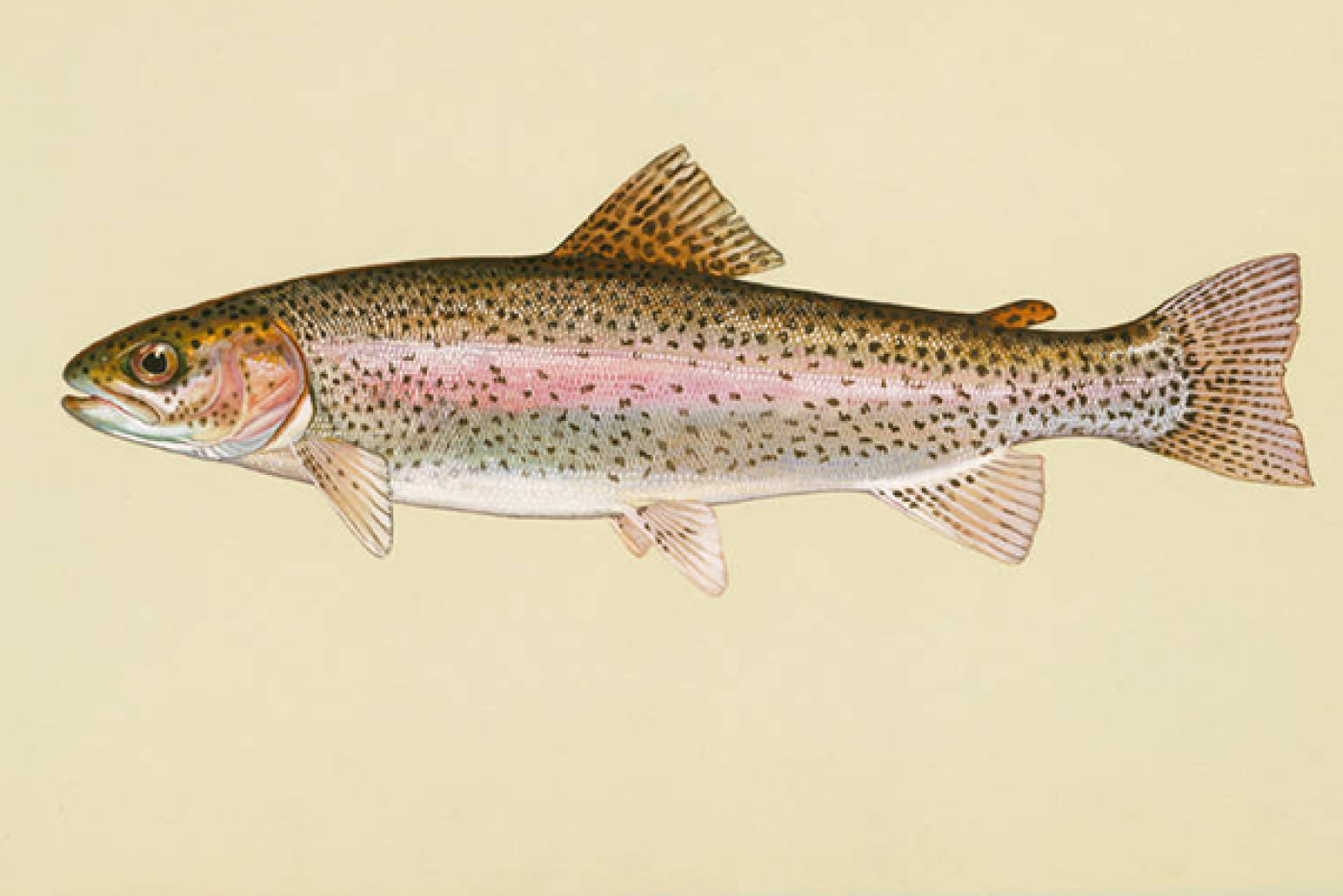
- 2 skin-on trout fillets
- Season with fresh ground Lucky Cajun Black Label the flesh side only, not the skin
- Drizzle with olive oil
- Thin-sliced zucchini laid on the pan
- 1 oz white wine
Lay the fish skin-side up and broil until the skin is crisp. Steam from the wine and moisture from the zucchini gently cook the flesh from underneath while the top crisps. Finish with butter, herbs, or citrus. Remove with a fish spatula and eat immediately.
Baking Fish — Lower, Steadier Heat
Baking works best for larger fillets or sides, whole fish, and longer cooks. Most of the same rules apply, just with more time and less direct heat. It's the gentlest, most forgiving method in the seafood kitchen — and it's how to bake fish whether you're working with a delicate fillet or a whole side.
Whole Fish — Baked at 375°F
Whole fish generally won't have crisp skin on both sides — flipping traps moisture and causes sticking, so don't fight it. Leave it be.
Season inside and out liberally. Stuffing the cavity with lemon and herbs helps with both moisture and aroma.
Rule of thumb: 10 to 12 minutes per pound
| Weight | Time | What to Look For |
|---|---|---|
| 1 lb | 12–15 min | Flesh opaque, flakes at backbone |
| 1.5 lb | 15–18 min | Eye cloudy, dorsal fin pulls easily |
| 2 lb | 18–22 min | Internal temp ~140–145°F |
| 3 lb | 25–30 min | Thickest part just flakes |
| 4 lb | 32–38 min | Pull early, rest 5 minutes |
Tips:
- Score thick fish so it cooks evenly
- Stuff the cavity with lemon and herbs
- Tent loosely with foil if the skin browns too fast
Whole Sides or Large Fillets — Baked at 375°F
Rule of thumb: 8 to 10 minutes per inch of thickness
| Size | Thickness | Time |
|---|---|---|
| Small side (1–1.5 lb) | ~1 inch | 10–12 min |
| Medium side (2–3 lb) | 1.25–1.5 in | 14–18 min |
| Large side (4–5 lb) | ~2 inches | 20–25 min |
Finish cues:
- Center turns opaque, not chalky
- Gentle flake with a fork
- Internal temp 135 to 140°F, resting to 145°F
Temperature and Timing by Fish
Pull fish at 135 to 140°F internal. As it rests, carryover heat brings it to about 145°F, finishing the cook without drying it out. Check once with a thermometer — repeated probing breaks the structure. Check early, trust the carryover, and let it rest.
Different fish behave a little differently in the oven. Here's the quick-reference breakdown:
Baked salmon: At 400°F, a standard fillet (about 1 inch thick) takes 12 to 15 minutes. Pull at 125–130°F for a silkier, more tender center, or up to 145°F if you prefer it fully cooked through.
Baked cod: At 400°F, cod fillets typically take 12 to 15 minutes depending on thickness. Cod is very lean, so it dries out fast — pull it the moment it turns opaque and flakes easily.
Baked tilapia: Thin and delicate, tilapia bakes fast — about 10 to 12 minutes at 400°F. Watch it closely; it goes from perfect to overcooked in a couple of minutes.
Baked halibut: A thicker, firmer fish, halibut takes a bit longer — 12 to 15 minutes per inch of thickness at 400°F. Its density makes it more forgiving than thinner fish.
Baked sea bass: Similar to halibut in cook time — about 12 to 15 minutes at 400°F for a standard fillet, depending on thickness. Sea bass holds moisture well, making it a good option for beginners.
Using Sauces and Glazes
This is where baking and broiling shine. Oils, butter, wine, citrus, and sauces all protect the fish as it cooks and add flavor. Romesco spooned on after flipping and finished in the oven. A miso glaze that reduces into a lacquer. Beurre blanc or brown butter spooned over at the end.
One caution: be careful with very sugary marinades or glazes. They burn and stick quickly under high heat, especially under the broiler. Watch them closely and tent with foil if they brown too fast.
Variations With Lucky Cajun Blends
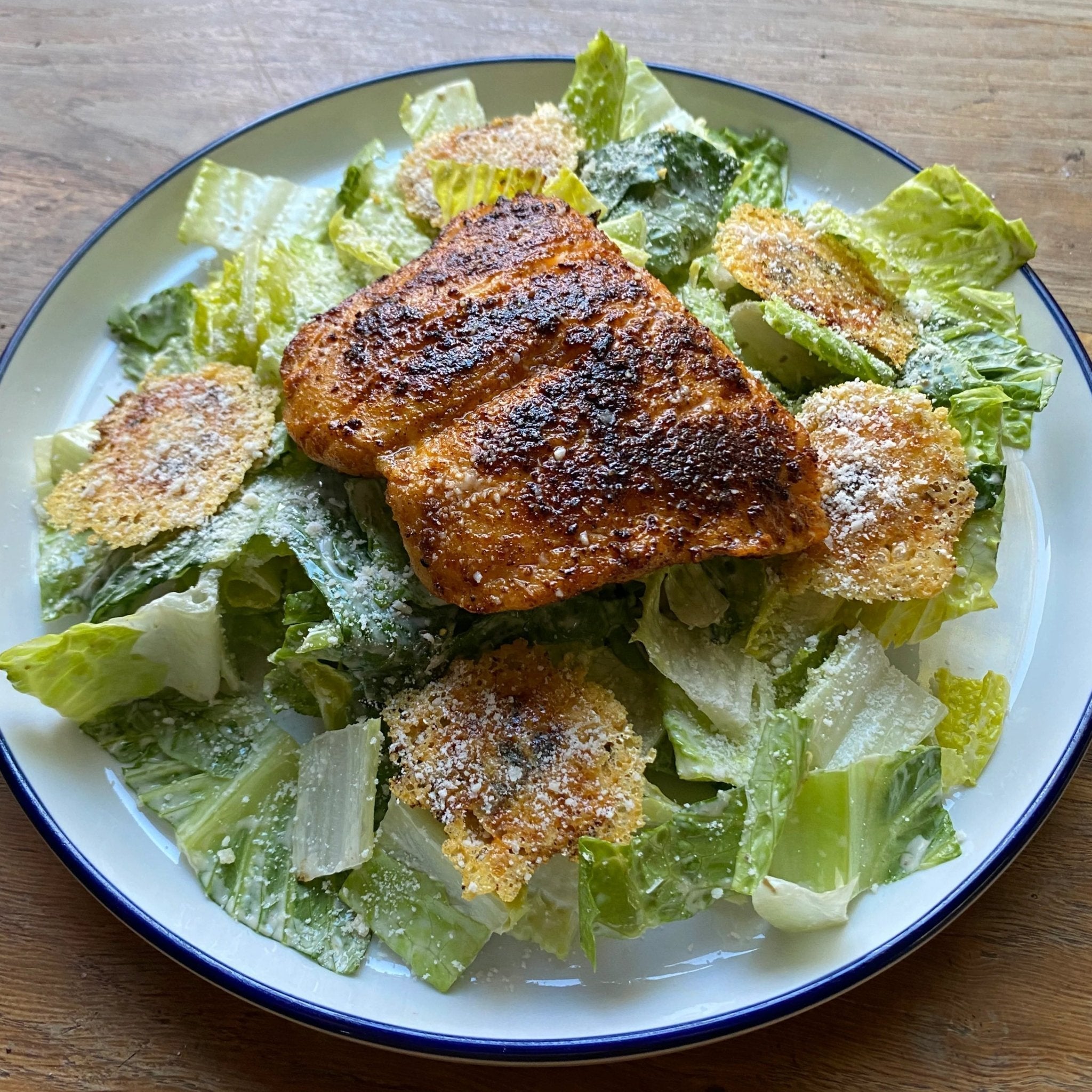
Blackened-style baked fish: Season with Lucky Cajun Black Label, drizzle with butter, and bake hot for a Louisiana profile without the smoke of a cast iron sear.
Black Label ⭐⭐⭐⭐⭐
"I love my Lucky Cajun spices!!! I use the Black Label in almost everything, it is soooo delicious! Really, they are all so good I can't choose a favorite. I highly recommend. If you haven't tried these you NEED to right away, you can't go wrong!!!" — Kathryn Gibson
Shop Black Label (← Add to cart)
Lemon herb baked fish: Lucky Cajun Lucky Lemon Dilly Pepper with thin lemon slices and white wine under the fish.
Lucky Lemon Dilly Pepper ⭐⭐⭐⭐⭐
"The Lucky Lemon Dilly Pepper is wonderful on salmon & chicken thighs." — Jamie Sankey
Shop Lucky Lemon Dilly Pepper (← Get it here)
Miso glazed baked fish: Marinate fatty fish in miso glaze and bake at 375°F until lacquered — a pinch of Lucky Cajun Fiery Datil in the marinade adds fruity heat.
Datil ⭐⭐⭐⭐⭐
"My new love is the Dátil — a bit spicier than the voodoo. No matter what your spice level Lucky Cajun has got you covered." — Dan McCoy
Shop Fiery Datil (← Add to cart)
Salt-free baked fish: Lucky Cajun Salt-Free Original for full flavor without added sodium, ideal when you're finishing with a salty sauce.
FAQ
How long do you bake salmon at 400°F?
About 12 to 15 minutes for a standard 1-inch fillet. Pull at 125–130°F internal for a silkier, more tender center, or let it go to 145°F if you prefer salmon fully cooked through with no pink.
What temperature do you bake cod at?
400°F is the standard, with cod fillets taking 12 to 15 minutes depending on thickness. Cod is very lean and dries out quickly, so pull it the moment it turns fully opaque and flakes easily.
How long do you bake tilapia?
About 10 to 12 minutes at 400°F. Tilapia is thin and delicate, so it cooks fast — watch it closely near the end since it can go from perfect to dry in a couple of minutes.
How long do you bake halibut?
About 12 to 15 minutes per inch of thickness at 400°F. Halibut is firm and dense, which makes it a bit more forgiving than thinner white fish.
How long do you bake sea bass in the oven?
About 12 to 15 minutes at 400°F for a standard fillet, depending on thickness. Sea bass holds moisture well, making it a good choice for anyone still building confidence with baked fish.
What is the difference between baking and broiling fish?
Broiling uses intense high heat from above — best for thin fillets and quick cooks with surface browning. Baking uses lower, steadier heat that surrounds the fish — best for whole fish, large sides, and longer gentle cooks.
Should you cover fish when baking in the oven?
Uncovered for most preparations — it allows the surface to develop flavor and any glaze to set. Tent loosely with foil only if the skin or glaze is browning too fast before the fish is cooked through.
What seasoning is best for baked fish?
A fresh ground blend that stands up to butter and sauce. Lucky Cajun Black Label for bold Cajun flavor, Lucky Lemon Dilly Pepper for a bright citrus profile, or Salt-Free Original when finishing with a salty sauce. Fresh ground seasoning holds its flavor through the bake.
How do you know when baked fish is done?
The center turns opaque, not chalky, and flakes gently with a fork. Internal temperature should be 135 to 140°F when you pull it, resting to 145°F. Pull it early — fish keeps cooking after it leaves the oven.
Can you bake frozen fish without thawing?
Yes, though it takes roughly 50% longer than thawed fish and works best for thinner fillets like tilapia or cod. Pat any surface ice off first, season generously since frozen fish can be harder to coat evenly, and check doneness with a thermometer rather than relying on the time alone.
What is the best fish to bake in the oven?
Salmon, cod, halibut, tilapia, and sea bass all bake beautifully. Salmon and halibut are the most forgiving for beginners because of their higher fat content and firmer texture; cod and tilapia cook fast and need closer attention.
Should I use foil when baking fish?
Not by default — uncovered baking lets the surface brown and any glaze set properly. Use foil only to tent loosely if the top is browning faster than the inside is cooking through.
How do you keep baked fish moist?
Don't overcook it — pull at 135–140°F and let carryover heat finish it to 145°F rather than baking straight through to that number in the oven. A liberal coat of oil or butter, and a protective layer like sliced vegetables or lemon underneath, also help.
What temperature do you broil fish at?
Broilers run at whatever your oven's high broil setting hits, typically 500°F or higher. The key is proximity to the heating element and time, not a set number — position the rack so the fish sits a few inches below the broiler and watch it closely.
How long do you broil fish fillets?
Generally 6 to 10 minutes total depending on thickness, without flipping for thin fillets. Broiling works fast because the heat is so intense, so stay close and check early.
What is the best fish for baking whole?
Snapper, branzino, trout, and sea bass all bake beautifully whole. Score the thick parts so they cook evenly and stuff the cavity with lemon and herbs for moisture and aroma.
Why Lucky Cajun
Baking and broiling give seasoning time to work into the fish as it cooks. Fresh ground Lucky Cajun with a Born-On Date on every bag brings volatile oils that are still alive — they bloom in the heat and infuse the flesh through the bake. Stale warehouse seasoning has already lost that. When the oven is doing the work, the freshness of the seasoning is what carries the flavor.
🌶️ Shop Lucky Cajun Black Label (← Add to cart)
🌶️ Shop Lucky Cajun Lucky Lemon Dilly Pepper (← Get it here)
🌶️ Shop Lucky Cajun Salt-Free Original (← Shop now)
🌶️ Explore the Seafood Sauce Library
Start with fresh fish. Prevent sticking. Pull it early. Let the oven do the work.
That's baked and broiled fish done right, whatever's in your fridge. 🌶️