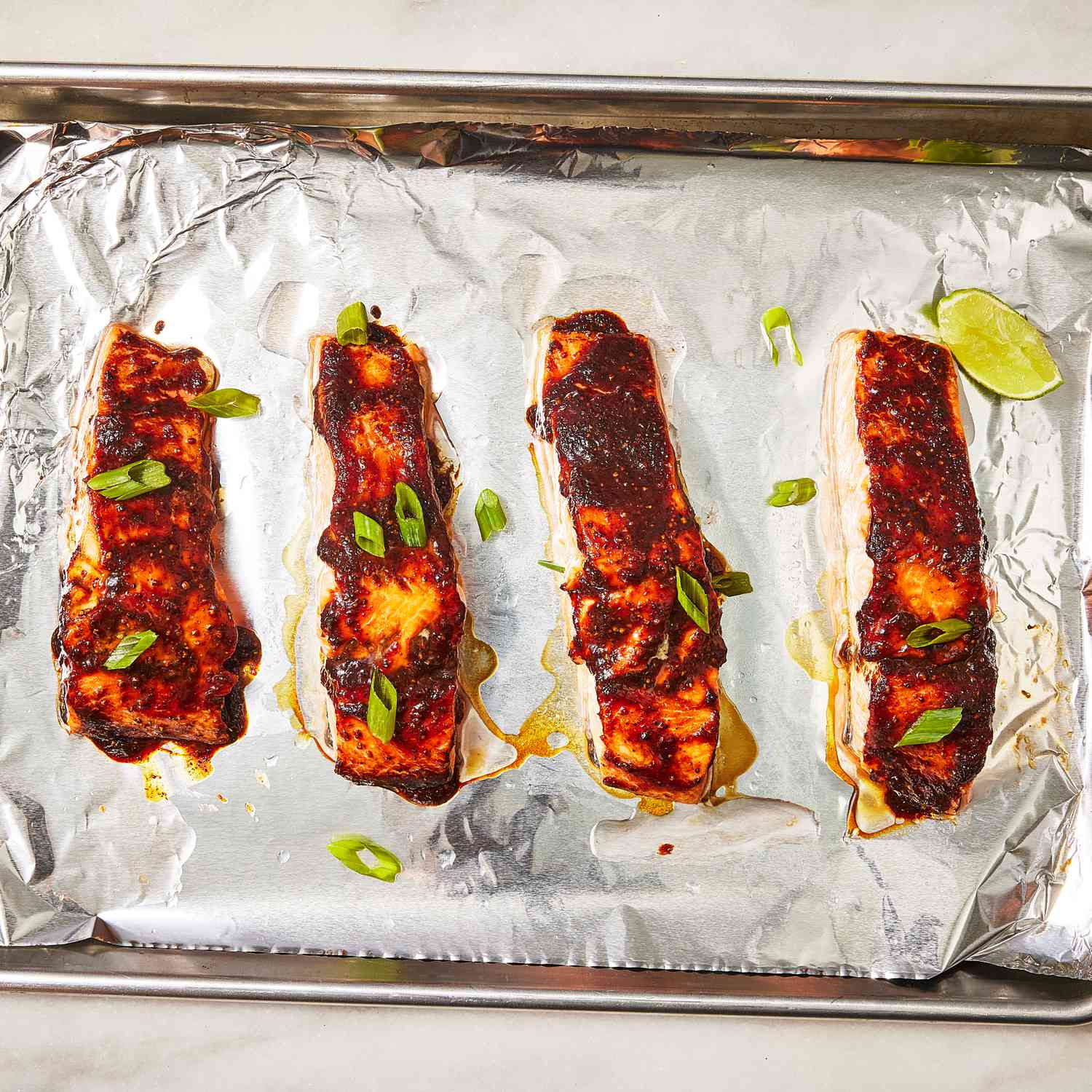
Miso glaze starts as a marinade and ends as a glaze. You do the work upfront — mix, cool, marinate — and the oven does the rest. As the fish bakes the marinade reduces and sets into a glossy lacquered coating that looks like it took significantly more effort than it did.
This is one of the most forgiving preparations in the seafood kitchen. Once the fish is in the oven leave it alone.
Why This Works
Yellow miso brings fermented depth and umami that no other single ingredient can replicate. It's savory, slightly sweet, and complex in a way that builds during the bake into something greater than its parts.
Sake and rice wine vinegar add brightness and acid that balance the richness of the miso and the fat of the fish. Tamari adds salt and additional umami depth. Honey adds sweetness that caramelizes during roasting and produces the glossy surface that defines a properly glazed fish.
Fresh ginger adds aromatic warmth that pairs naturally with fatty fish like salmon and black cod.
The miso goes in last after the other ingredients have come to a simmer and the pan is off the heat. Adding miso to boiling liquid breaks down its delicate fermented flavor. Let everything cool before the miso goes in.
The marinade needs 1 to 2 days to fully penetrate thick cuts of fish. Don't rush it.
Seasoning freshness is the most overlooked part of a cooking seafood. Most of what's in your cabinet was ground over a year ago — the flavor's already gone, and nothing on the jar tells you when it was made. Every Lucky Cajun bag is stamped with the date it was ground. Nobody else in the US does that. Browse the fresh ground Seafood seasoning collection → Satisfaction guaranteed.
Ingredients
- ⅓ cup yellow miso
- 1 cup sake
- 3 tablespoons rice wine vinegar
- 1 tablespoon fresh ginger, finely chopped
- ¼ cup tamari
- 3 tablespoons honey
- 1 tablespoonfresh ground Lucky Cajun Bulgasari
Method
Combine everything except the miso in a saucepan. Bring to a simmer.
Remove from heat and whisk in the miso until completely smooth. Let the mixture cool completely before using.
Marinate thick cuts of fatty fish in the cooled glaze for 1 to 2 days in the refrigerator.
Remove fish from the marinade and roast or bake at 375°F. As the fish cooks the marinade that clings to the surface reduces and sets into a glossy glaze.
Serve as is. The glaze is the sauce.
The Right Fish
Miso glaze works best with rich fatty fish that can handle sweetness and umami without being overwhelmed.
Best choices:
- Black cod — the classic pairing, deeply flavored and buttery
- Salmon — widely available and excellent with this preparation
- Yellowtail — rich and well-suited to the umami profile
- Sea bass — slightly lighter but works well with a shorter marinade
Avoid:
- Thin delicate white fish like flounder or sole — they don't hold up through a 1 to 2 day marinade and the sweetness overwhelms their delicate flavor
- Very lean fish that dry out easily during the bake
Baking the Fish
Remove fish from the marinade. Don't rinse — the marinade coating is what produces the glaze.
Place on a parchment-lined baking sheet or in a lightly oiled baking dish. Roast at 375°F until just cooked through — timing depends on thickness. The surface should be deeply caramelized and slightly sticky. The interior should be just opaque and flaking gently at the thickest point.
Watch the glaze during the final minutes. The honey caramelizes fast and can cross from glossy to burned quickly. If browning too fast tent loosely with foil.
Serving
Serve the glazed fish over simple sides that don't compete — steamed rice, simple slaw, or blanched green beans. The glaze is bold enough that the sides should stay quiet.
A squeeze of lime over the finished fish adds brightness that cuts through the sweetness of the glaze.
Variations
Spicier version: Add a teaspoon of Lucky Cajun Fiery Datil to the marinade for a fruity citrusy heat that pairs naturally with the umami of the miso and the sweetness of the honey.
Deeper heat: A pinch of Lucky Cajun Voodoo adds habanero depth that builds through the rich fatty fish without overpowering the miso profile.
Citrus version: Add the zest of one lime or orange to the marinade for a brighter more aromatic glaze that pairs especially well with salmon.
Ginger forward: Double the fresh ginger for a more assertive aromatic profile that pairs especially well with black cod.
FAQ
What is miso glaze?
A Japanese-influenced marinade and glaze built on miso, sake, rice wine vinegar, tamari, ginger, and honey. Used to marinate fatty fish for 1 to 2 days before roasting — as the fish bakes the marinade reduces into a glossy lacquered coating.
What type of miso works best for fish glaze?
Yellow miso — also called shiro or white miso depending on the brand — is the most balanced choice. It's lighter and sweeter than red miso which can overpower delicate fish. Yellow miso produces a glaze with clean umami depth without bitterness.
Why marinate for 1 to 2 days?
The miso and sake need time to penetrate thick cuts of fish. A short marinade produces surface flavor only. The 1 to 2 day rest allows the flavor to work all the way through the fish and produces a noticeably more complex result.
Why add miso after removing from heat?
Boiling miso breaks down the delicate fermented flavor compounds that make it worth using. Adding it after the pan comes off the heat and the liquid has cooled slightly preserves the miso's complexity.
What is the best fish for miso glaze?
Black cod is the classic choice — buttery, rich, and deeply flavored after a 2 day marinade. Salmon is the most widely available excellent option. Both handle the sweetness and umami of the glaze without being overwhelmed.
Can I shorten the marinade time?
Yes but the flavor will be less complex. Even an overnight marinade produces a good result. The 2 day marinade is where the preparation reaches its full potential.
What sides work best with miso glazed fish?
Simple sides that don't compete — steamed jasmine or basmati rice, blanched green beans or asparagus, simple slaw, or pickled vegetables. The glaze is assertive enough that the sides should stay quiet.
Can I use this glaze on chicken?
Yes. The same marinade works on chicken thighs — marinate overnight and roast at 400°F until cooked through and caramelized. The honey and miso produce the same glossy finish on chicken as on fish.
Why does the glaze burn sometimes?
The honey in the marinade caramelizes quickly at high heat. If the oven is running hot or the fish has been in too long the glaze can cross from caramelized to burned. Watch the surface during the final minutes and tent with foil if it's browning too fast.
What is tamari and can I substitute soy sauce?
Tamari is a Japanese soy sauce that is typically gluten free and has a slightly richer less salty flavor than standard soy sauce. Regular soy sauce works as a substitute — the flavor will be slightly saltier and less complex but the glaze will still be excellent.
Why Lucky Cajun
A pinch of Lucky Cajun Fiery Datil or Voodoo in the marinade adds fresh ground heat that blooms into the miso and sake during the marinate period and carries through the bake. Processed blends with fillers don't integrate into a liquid marinade the same way — the volatile oils in fresh ground seasoning distribute evenly through the liquid and into the fish during the 1 to 2 day rest. Every Lucky Cajun bag ships with a Born-On Date so you know the seasoning is still working when it matters.
🌶️ Shop Lucky Cajun Fiery Datil
🌶️ Shop Lucky Cajun Voodoo
🌶️ Shop Lucky Cajun Black Label
🌶️ Shop the Best Sellers 4-Pack
Make the marinade. Let it cool completely. Marinate 1 to 2 days. Roast at 375°F and leave it alone.
That's miso glaze done right. 🌶️