A properly cooked piece of seafood is the starting point. The sauce is what completes it.
This is the sauce library from the No-BS Seafood Cookbook by Chef Blackwell Smith — ten sauces built to mix and match with any seafood, any cooking method, and any side dish in the cookbook. Some are classic French technique. Some are Louisiana tradition. Some are completely unexpected. All of them work.
There's no single correct path. If the balance makes sense and it tastes good it works.
How to Use This Section
These sauces are meant to be mixed and matched. Pair them with different seafood. Use different cooking methods. Combine them with sides already proven.
Think of each sauce as a direction not a rule. The base stays intact. The variations steer it.
A bold sauce on a delicate fish needs restraint. A light sauce on a rich oily fish needs acid and brightness. Once you understand what each sauce does the pairings become intuitive.
The Sauces
The classic built around contrast. Sweet, sharp, and spicy — ketchup, horseradish, Worcestershire, and lemon adjusted to taste. Five variations that steer it without rebuilding it. Serve cold with oysters, shrimp, and crab.
The balanced version worth making from scratch. Pickled shallots made overnight, fresh dill, parsley, and tarragon, capers, and Lucky Cajun Black Label processed until smooth. Make it the day before — it's completely different by morning.
The classic French pan sauce built in the pan after the fish comes out. Shallot, white wine, vinegar, and Lucky Cajun Black Label reduced, then room temperature butter whisked in until emulsified. Driven by technique not measurement.
The simplest sauce worth the extra minute. A halved lemon placed cut-side down in a hot pan for one minute develops caramelization and depth that raw citrus doesn't have. One ingredient handled correctly.
Sneaky Sauce — Cajun Remoulade
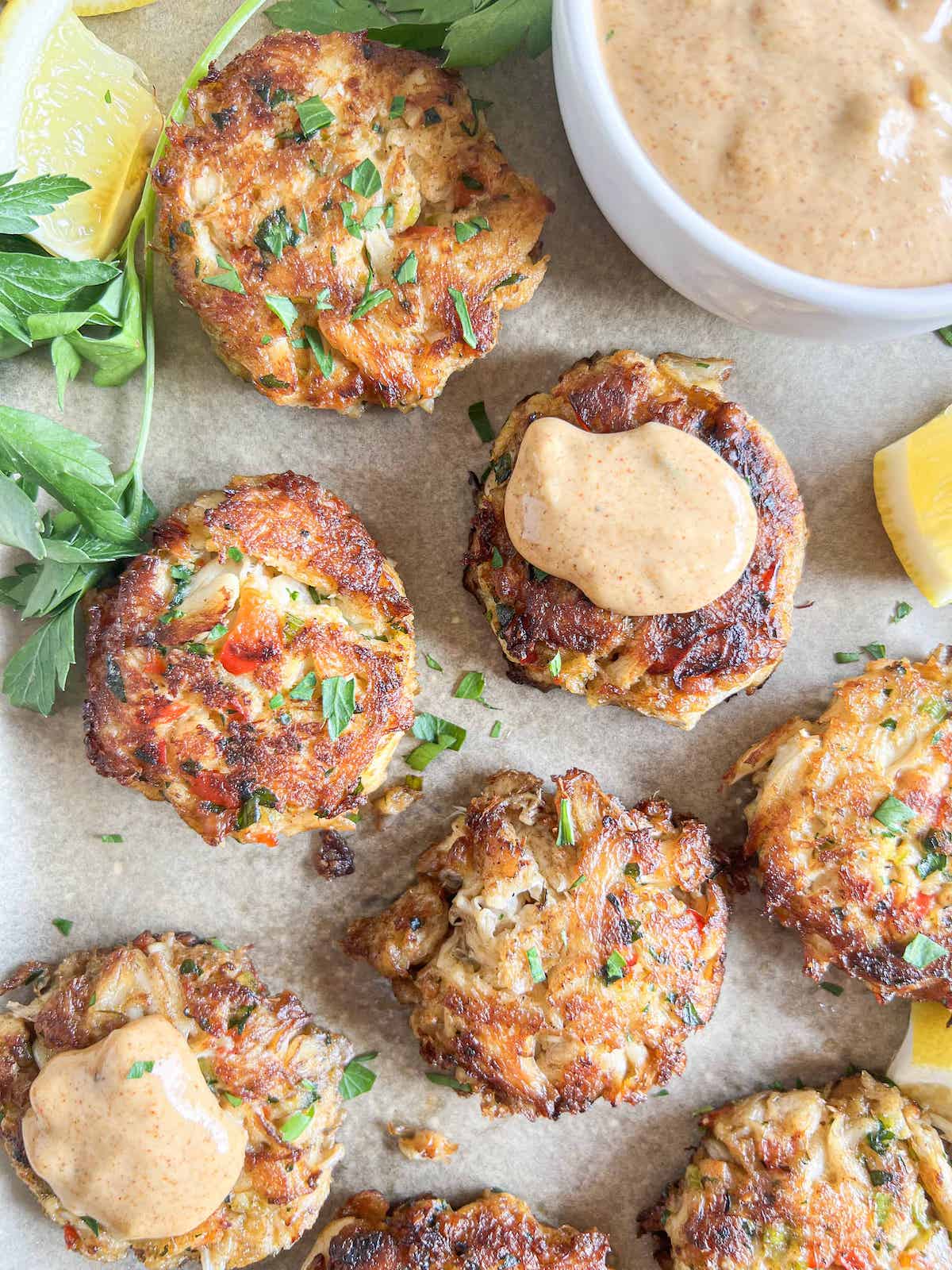
The sauce that earns its name. People try it once, walk away, and come back. Smoked paprika, Dijon, capers, sweet relish, Worcestershire, lemon, parsley, and Lucky Cajun seasoning blended smooth. Bold without being heavy. Works on everything.
The simplest pan sauce worth mastering. Butter cooked until the milk solids brown and smell nutty — fast, direct, and built entirely on attention. Master it once and it carries across the entire kitchen.
The classic emulsion built on patience and attention. Warm butter whisked into egg yolks with acid — technique over talent. Add butter slowly, whisk steadily, season with lemon. Béarnaise and Choron variations once the base is solid.
The Spanish sauce worth building from scratch. Charred peppers, roasted tomatoes and garlic, Marcona almonds, smoked paprika, sherry vinegar, and Lucky Cajun Black Label. Shortcuts flatten it. Do the work.
The marinade that finishes itself. Yellow miso, sake, rice wine vinegar, tamari, fresh ginger, and honey. Marinate fatty fish for 1 to 2 days. Roast at 375°F and leave it alone. The glaze is the sauce.
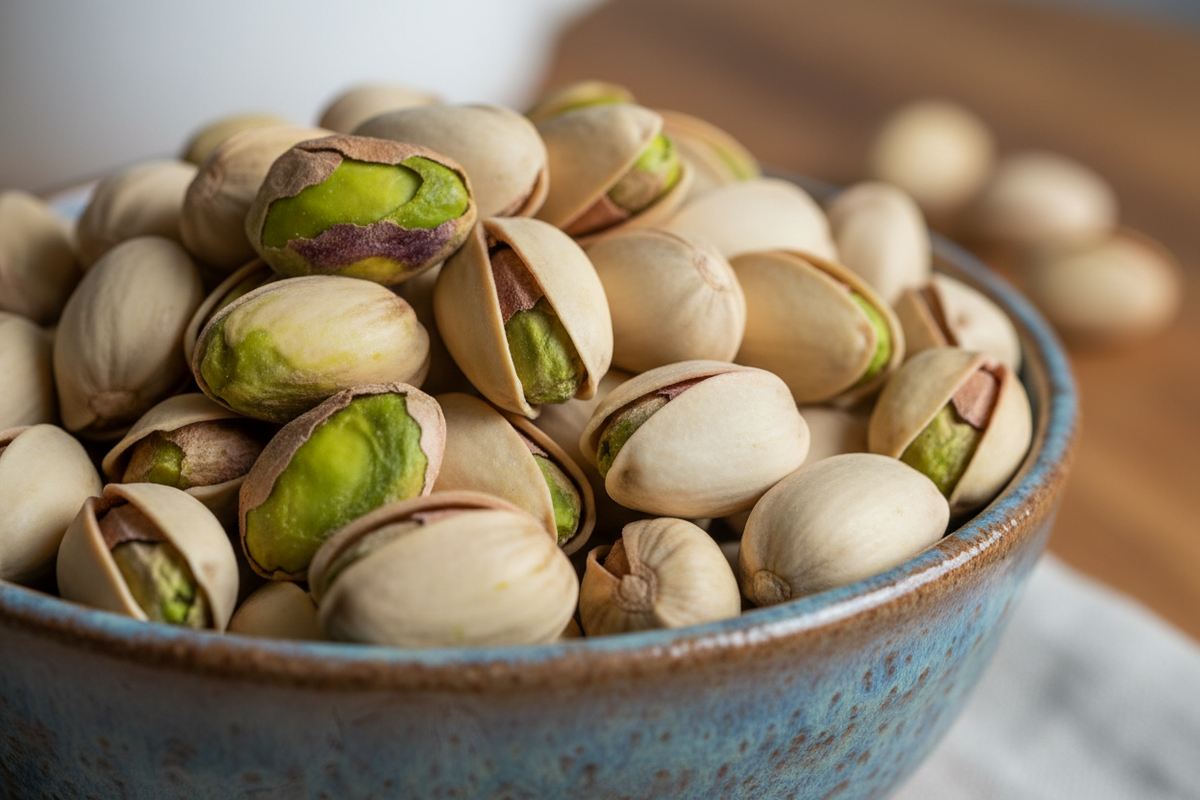
Fresh, rich, and ready in five minutes. Roasted pistachios, white wine vinegar, lemon, olive oil, garlic, parsley, and basil blended until just combined. Don't overwork it — a little texture keeps it alive.
Simple, clean, and quietly distinctive. Reduced blood orange juice folded into crème fraîche with fresh tarragon, shallot, and Lucky Cajun Black Label. Featured in Food Republic. Excellent with crab cakes, scallops, and salmon.
Pairing Guide — Which Sauce Goes With What
Delicate white fish — sole, flounder, trout:
Beurre blanc, brown butter, grilled citrus, pistachio vinaigrette. Light sauces that complement without overpowering.
Firm white fish — snapper, grouper, halibut:
Romesco, sneaky sauce, tartar sauce, beurre blanc. These fish can handle bolder flavors.
Rich fatty fish — salmon, black cod, yellowtail:
Miso glaze, brown butter, romesco, blood orange crème fraîche. Rich fish needs acid and contrast.
Shrimp:
Cocktail sauce, sneaky sauce, tartar sauce, beurre blanc. All work depending on preparation — raw, boiled, fried, or grilled.
Scallops:
Brown butter, beurre blanc, pistachio vinaigrette, hollandaise. Delicate and sweet — light sauces work best.
Crab and lobster:
Hollandaise, brown butter, grilled citrus, cocktail sauce. Classic pairings that let the shellfish lead.
Fried seafood:
Tartar sauce, sneaky sauce, cocktail sauce. The contrast sauces — bright, sharp, and built to cut through richness.
Oysters:
Cocktail sauce, grilled citrus, mignonette. Cold and briny — they need contrast not richness.
The Lucky Cajun Seasoning Connection
Every sauce in this library uses Lucky Cajun seasoning — not because it's our seasoning, but because fresh ground seasoning with a Born-On Date on every bag performs differently than anything sitting in a grocery store warehouse for 18 months.
Fresh ground spice blooms into hot fat, cold cream, and warm emulsions differently than stale spice. The volatile oils are still active. The flavor shows up in the finished sauce rather than sitting on the surface.
That's the difference between a sauce that tastes flat and one that makes people ask what's in it.
Seasoning freshness is the most overlooked part of a cooking delicious seafood. Most of what's in your cabinet was ground over a year ago — the flavor's already gone, and nothing on the jar tells you when it was made. Every Lucky Cajun bag is stamped with the date it was ground. Nobody else in the US does that. Browse the fresh ground Seafood seasoning collection → Satisfaction guaranteed.
FAQ
What sauces work best with seafood?
It depends on the fish and the cooking method. Delicate white fish benefits from light sauces — beurre blanc, brown butter, grilled citrus. Rich fatty fish can handle bolder flavors — romesco, miso glaze, sneaky sauce. Fried seafood needs contrast — tartar sauce, cocktail sauce, or remoulade.
What is the easiest seafood sauce to make?
Grilled or seared citrus — one ingredient, one minute. Cocktail sauce — four ingredients, no cooking. Brown butter — one ingredient, five minutes and attention. All three are worth having in the rotation.
What is the best sauce for fried fish?
Tartar sauce for a classic preparation. Sneaky Sauce for something bolder and more complex. Cocktail sauce for sharp contrast. All three work — pick based on the mood of the meal.
What is the best sauce for grilled fish?
Beurre blanc built in the pan after the fish comes off. Pistachio vinaigrette spooned over just before serving. Romesco applied after flipping and finished in the oven. Grilled citrus squeezed directly over the plate.
What is the best sauce for crab cakes?
Sneaky Sauce was built for crab cakes — the original application that inspired the recipe. Blood orange crème fraîche for something more elegant. Tartar sauce for a classic approach.
What is the best Cajun seasoning for seafood sauces?
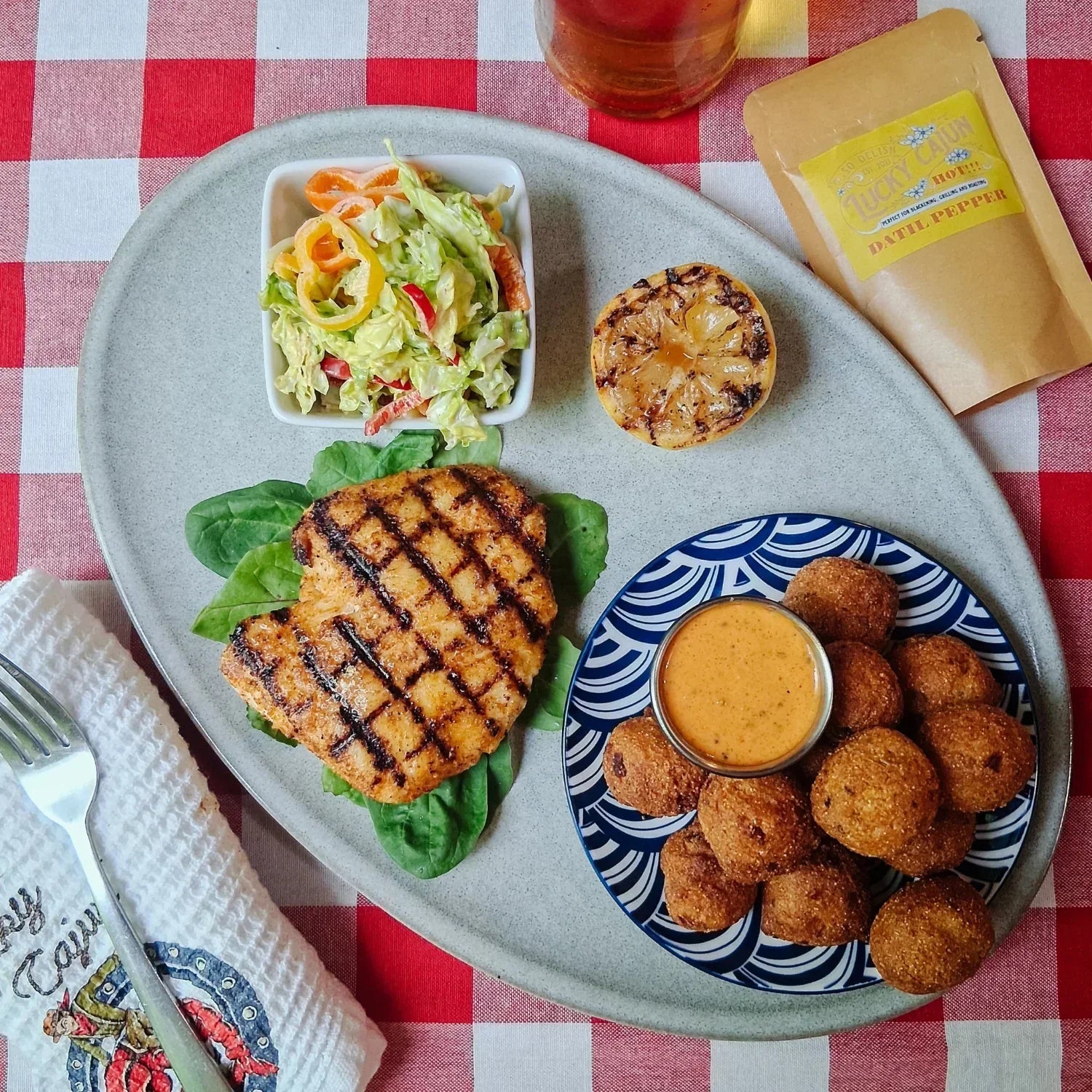
Lucky Cajun Black Label for savory depth in cream and butter-based sauces. Lucky Cajun Fiery Datil for fruity citrusy heat in vinaigrettes and cold sauces. Lucky Cajun Voodoo for habanero heat in remoulade and bold sauces. All are fresh ground sugar free blends without fillers stamped with a Born-On Date.
Can I make these sauces ahead of time?
Most of them yes. Cocktail sauce — up to 2 weeks. Tartar sauce — up to 5 days, better overnight. Sneaky Sauce — up to 10 days, better overnight. Romesco — up to 1 week. Pistachio vinaigrette — up to 3 days. Miso glaze — up to 2 weeks refrigerated. Beurre blanc and brown butter are best made fresh. Hollandaise holds for 15 to 30 minutes maximum.
What is the difference between remoulade and tartar sauce?
Both are mayonnaise based. Tartar sauce is herb-forward and bright — built around fresh herbs, capers, and pickles. Remoulade is bolder and more complex — built around mustard, smoked paprika, hot sauce, and Cajun spice. Tartar is lighter. Remoulade has significantly more punch.
What is beurre blanc?
A classic French pan sauce made by emulsifying room temperature butter into a reduced white wine and vinegar base with shallot. Light, rich, and versatile — one of the most useful pan sauces in French cooking.
What makes a good seafood sauce?
Balance. A sauce that complements the seafood without overpowering it. Acid to cut through richness. Fat for body and mouthfeel. Seasoning that distributes evenly rather than sitting on the surface. And fresh ground spice that actually shows up when it hits the food.
Why Lucky Cajun
Every sauce in this cookbook uses Lucky Cajun seasoning because fresh ground spice with volatile oils still active performs differently than processed blends sitting in a warehouse. It blooms into hot fat, integrates into cold cream bases during the rest, and distributes evenly through emulsions. The Born-On Date on every bag means you know the seasoning is still working when it matters.
🌶️ Shop Lucky Cajun Black Label
🌶️ Shop Lucky Cajun Fiery Datil
🌶️ Shop Lucky Cajun Voodoo
🌶️ Shop the Best Sellers 4-Pack
🌶️ Ask Chef Blackwell — Anatomy of the Bite
Ten sauces. Mix and match. Let the balance decide.
That's the sauce library done right. 🌶️